

JM
Jason Mitchell
Indie MusicianOne portrait plus my track — a performance-ready AI MV in 3 minutes.
Short-form for the next release finally keeps up.
Play a string and watch its pitch settle into place. This chromatic tuner listens through your microphone and shows how close you are to the note.
Your next note starts here
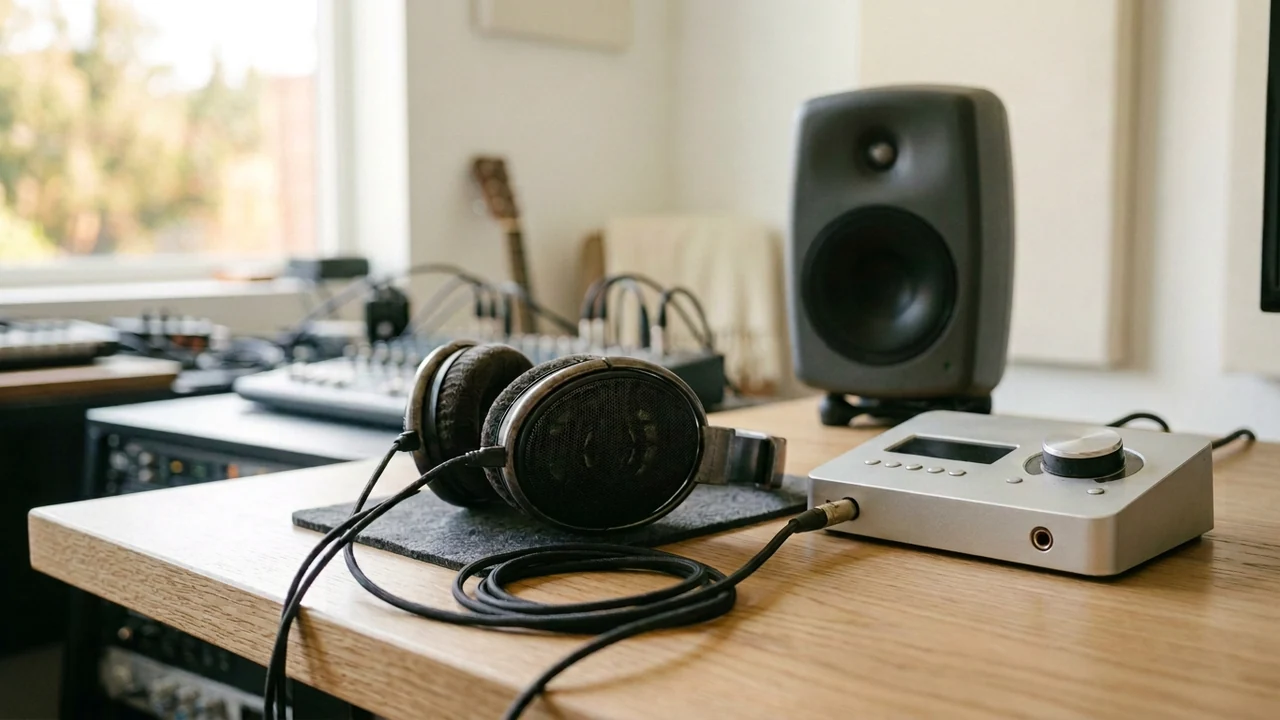
Play one string or sing one steady note. Headphones help prevent feedback.
Standard guitar tuning
Tune one string at a time in a quiet room. The chromatic tuner recognizes notes rather than assuming a tuning, so you can use standard guitar tuning or follow your own reference. The reference is A4 = 440 Hz unless you change it.

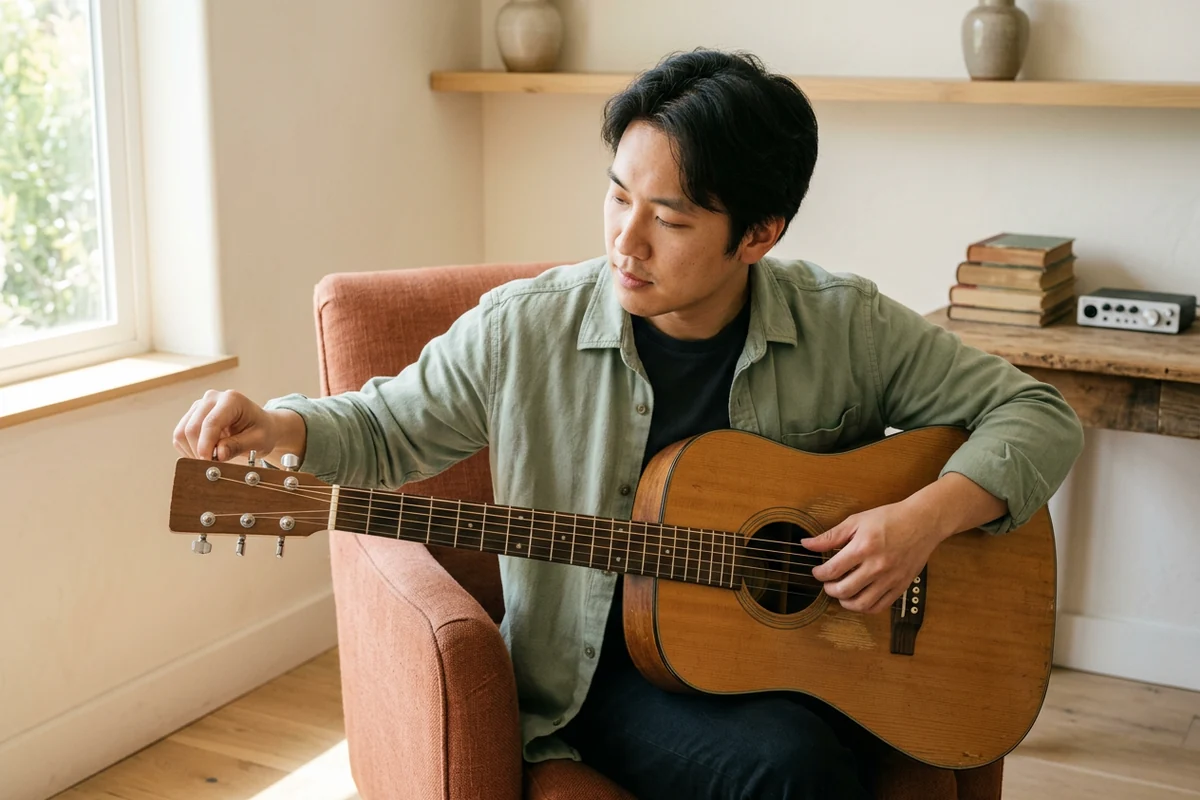
Use E2 A2 D3 G3 B3 E4 as your guide to standard guitar tuning, from the lowest string to the highest. Enable your microphone on this free online tuner, then pluck one string at a time while watching the note and cents reading. Turn the tuning peg gently, let the sound settle, and check the strings again before playing a familiar chord to hear how they sit together.
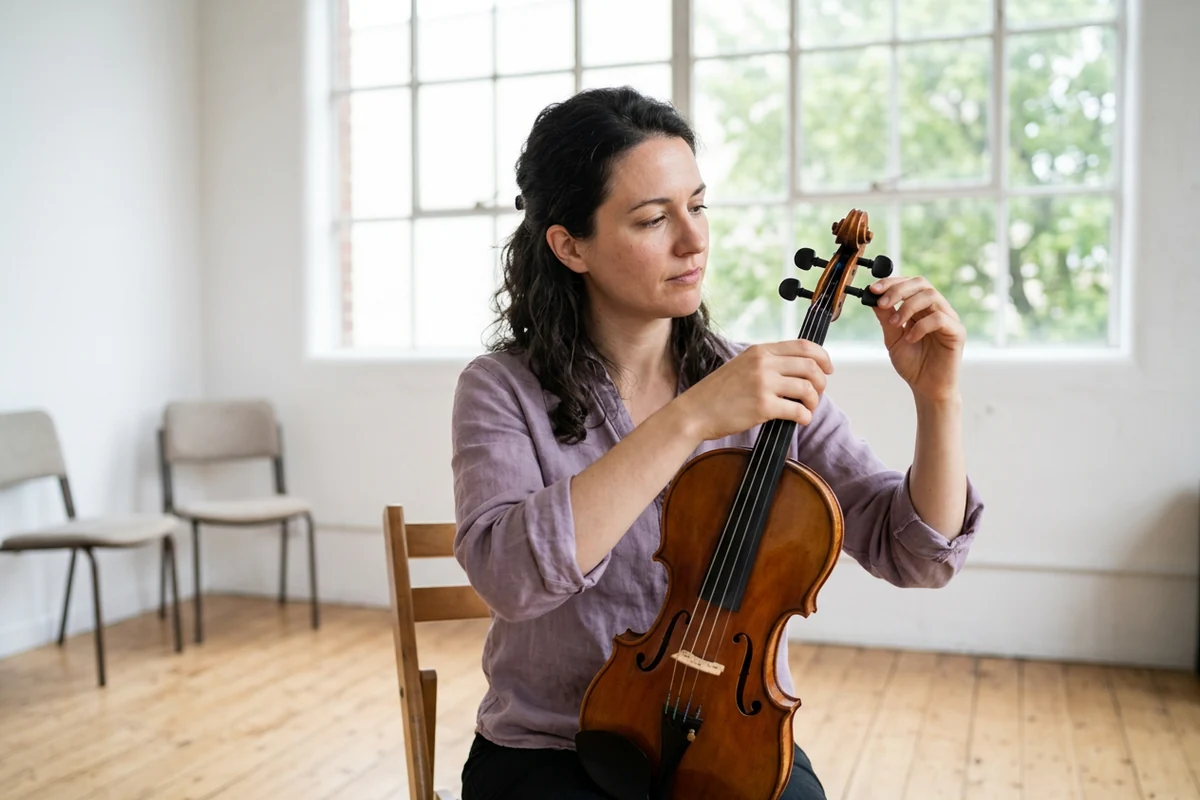
The chromatic tuner follows individual notes rather than locking you to six guitar strings, so you can check a different tuning or a sustained note on another instrument. For voices, switch to the free vocal tuner. Adjust the A4 reference between 430 and 450 Hz when matching an ensemble, then take a tuned take into a music video template.
Click Enable microphone and accept your browser’s permission request. Your microphone is not accessed before you ask.
Pluck one open string and let it ring. Damp the other strings and avoid background music.
If the note is flat, carefully raise it; if sharp, lower it. For standard guitar, follow E2, A2, D3, G3, B3 and E4.
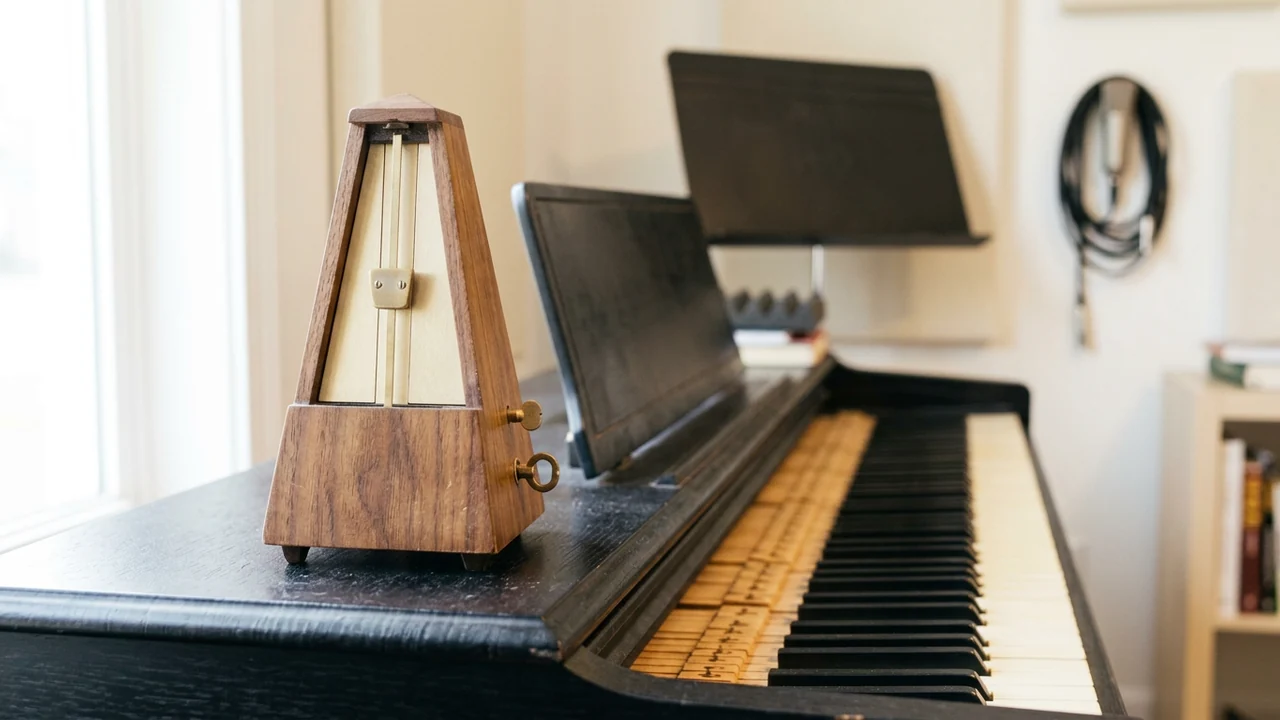
A tempo or a pitch is rarely the only question. Stay on Viralkey to finish the next part of the same practice.
Hear a key, play a shape, or try a voicing in the browser before you take it back to your track.

Explore key signatures, relative minor keys and diatonic chords. Hear scales and chords, free of credits.
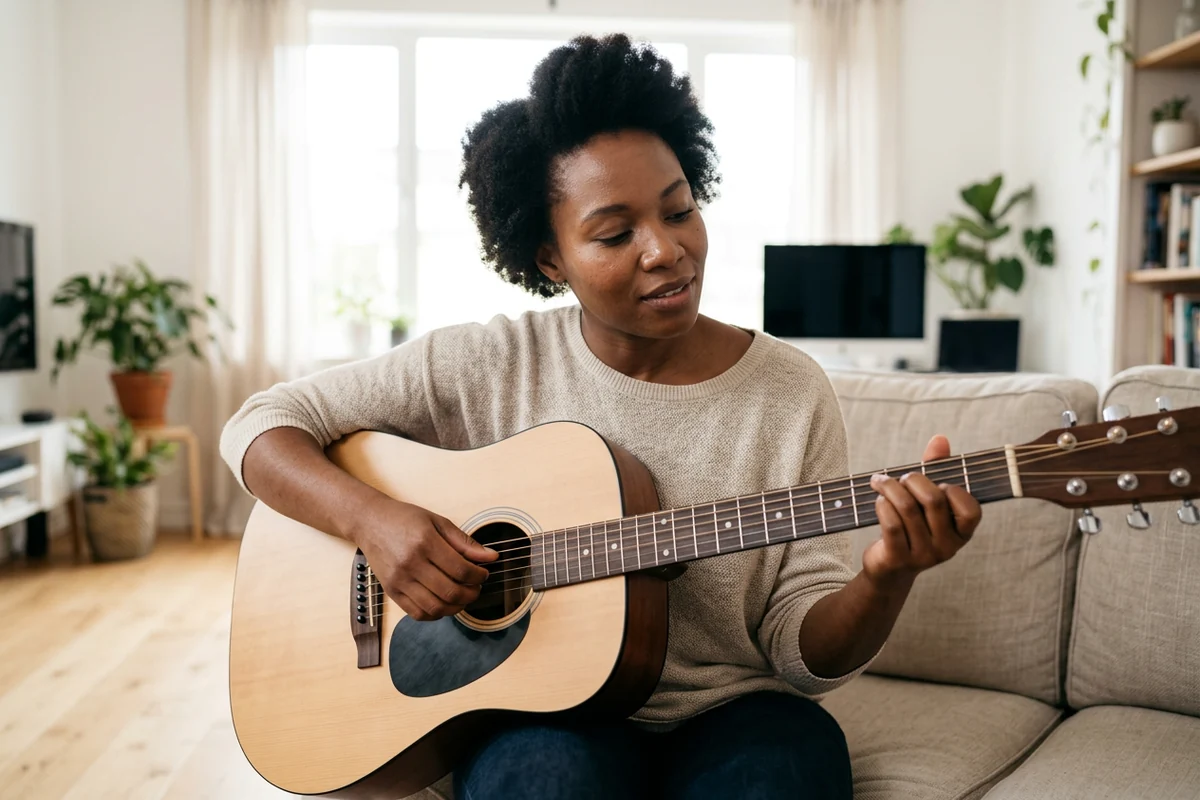
Hear chord progressions at your own tempo with block, strummed or arpeggiated playback. Playback is free and uses no credits.
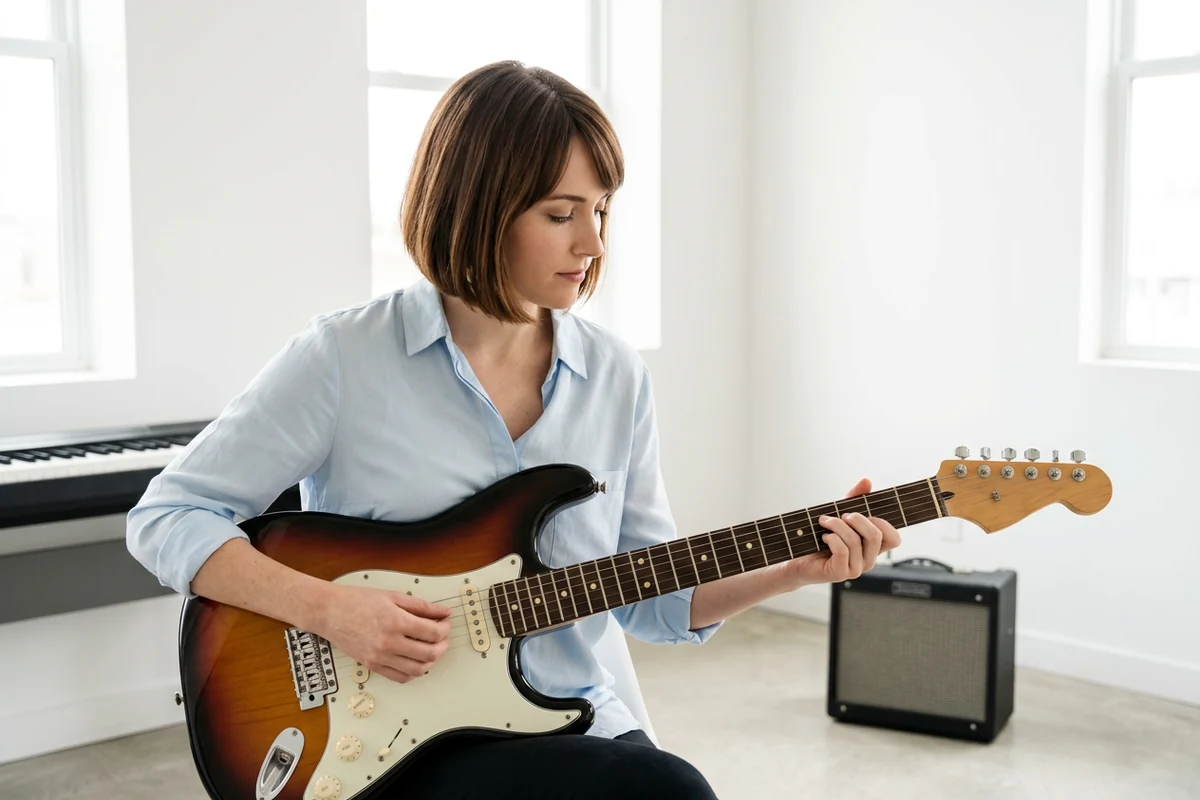
Explore guitar notes on an interactive fretboard with standard or Drop D tuning. Play browser-generated sounds for free.
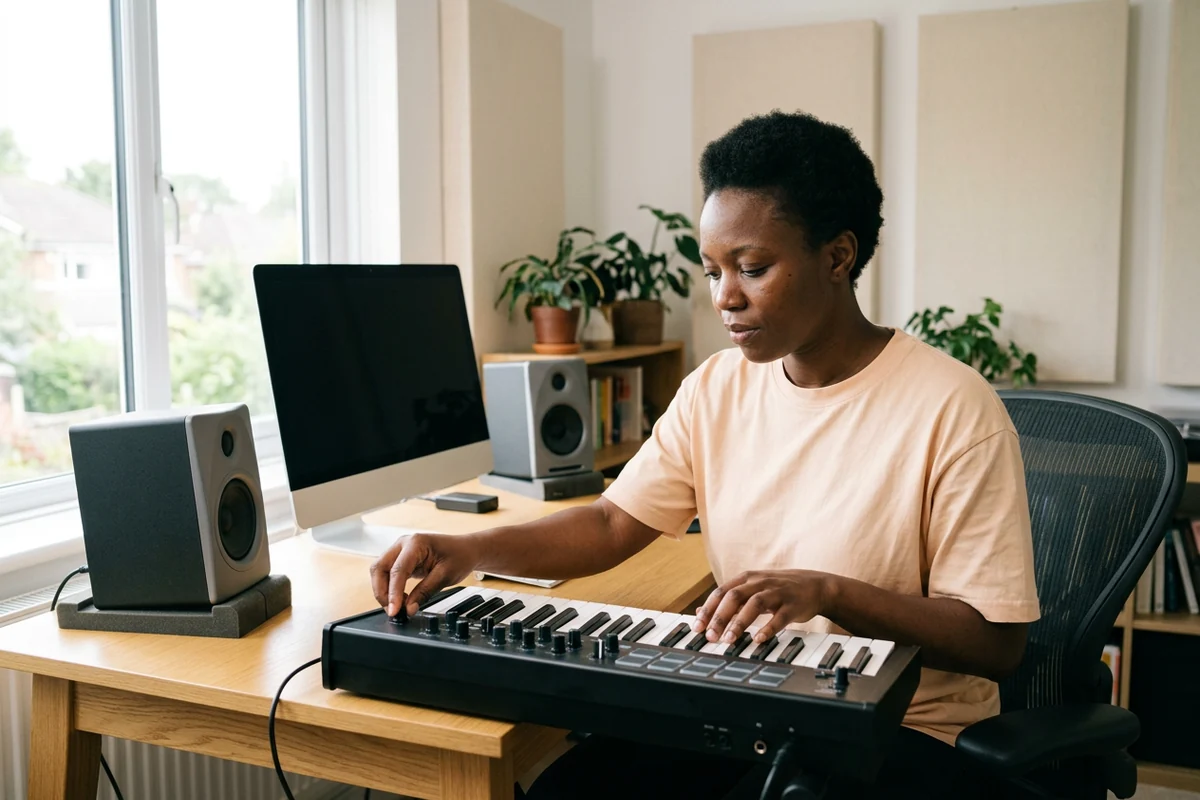
Play a browser synthesizer and explore oscillator waveforms, filter controls and ADSR. Make sound; no credits required.
Explore how creators turn photos and music into music videos with Viralkey.
Jason Mitchell
Indie MusicianOne portrait plus my track — a performance-ready AI MV in 3 minutes.
Short-form for the next release finally keeps up.
Grace Fox
Label ManagerSame face, different style — the team gets a new visual direction without reshooting or rebuilding the concept.
Emma White
Electronic MusicianUpload a song and AI builds around rhythm and emotion — drops and energy shifts land in the picture.
Mia Chen
ProducerNo shoot crew.
Upload the track and get a release-ready AI music video in minutes.
Diego Martins
MusicianLip-sync and expression actually feel like singing — not a mismatched face track.
Viewers feel the emotion land.
Hannah Parker
Label ManagerSame face across performance, story, and VFX, then 100+ styles on top — series posting finally scales.
Ravi Nair
YouTuberTikTok needs hooks and watch-through structure.
Viralkey clips can stop the scroll in the first seconds.
Yuki Lin
CreatorScenes and looks change, but the face stays the same — no face drift, consistent character at last.
Leo Santos
CreatorShip on release day: image to music video or song to music video — both modes cover what I need.
Both. The same chromatic detector recognizes notes across the scale, while the standard guitar string buttons provide convenient reference tones. It is not limited to six-string guitar.
Enable your microphone and check each note with the chromatic tuner.
Preview an example, choose a template, then follow its guide to add your photos and music. Audio tools are free; video generation uses credits.

A woman in an oversized graphic tee sings in the snack aisle of a late-night convenience store.
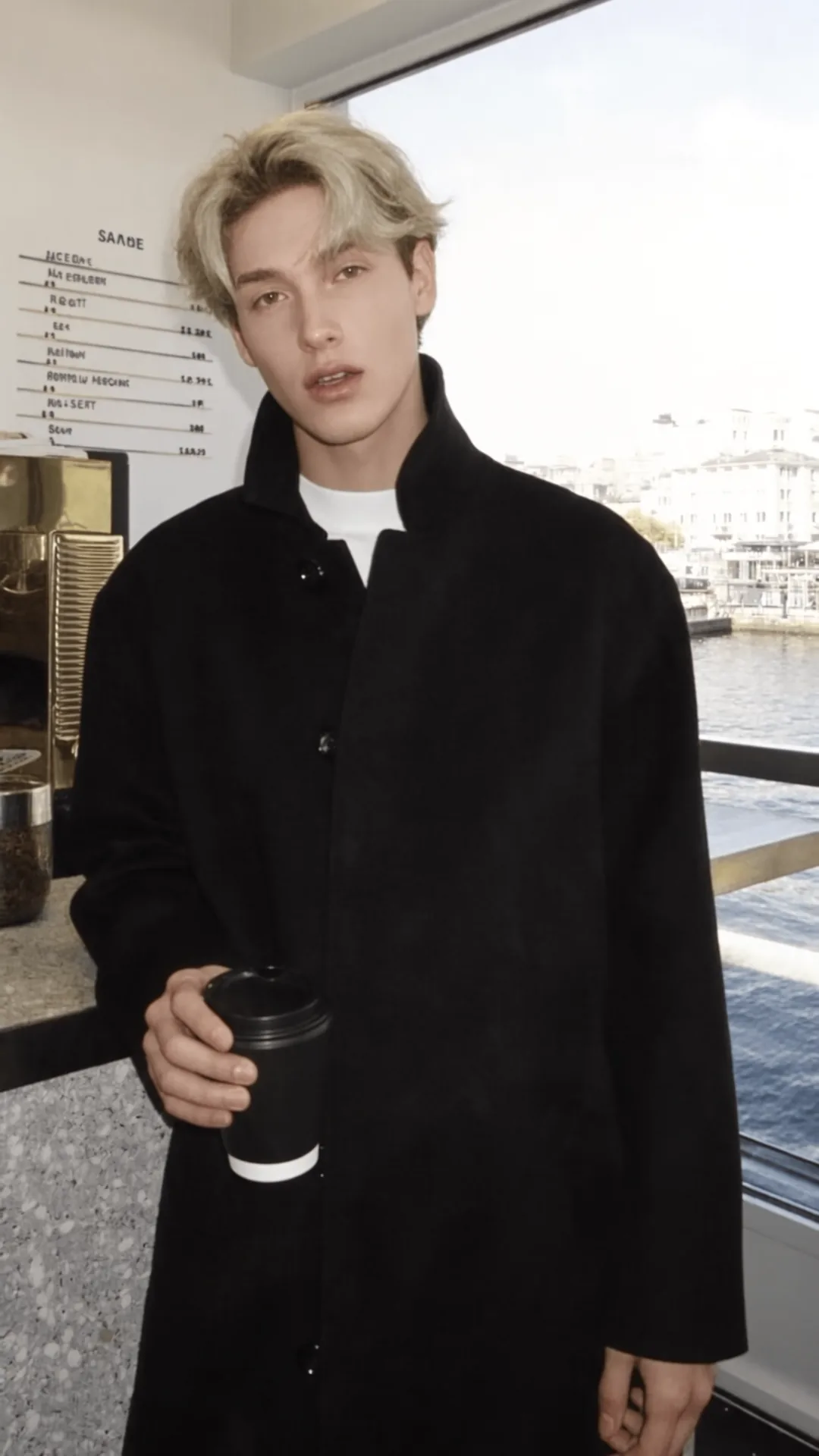
A man in a black wool coat sings by the window of a harbor cafe, takeaway coffee in hand.
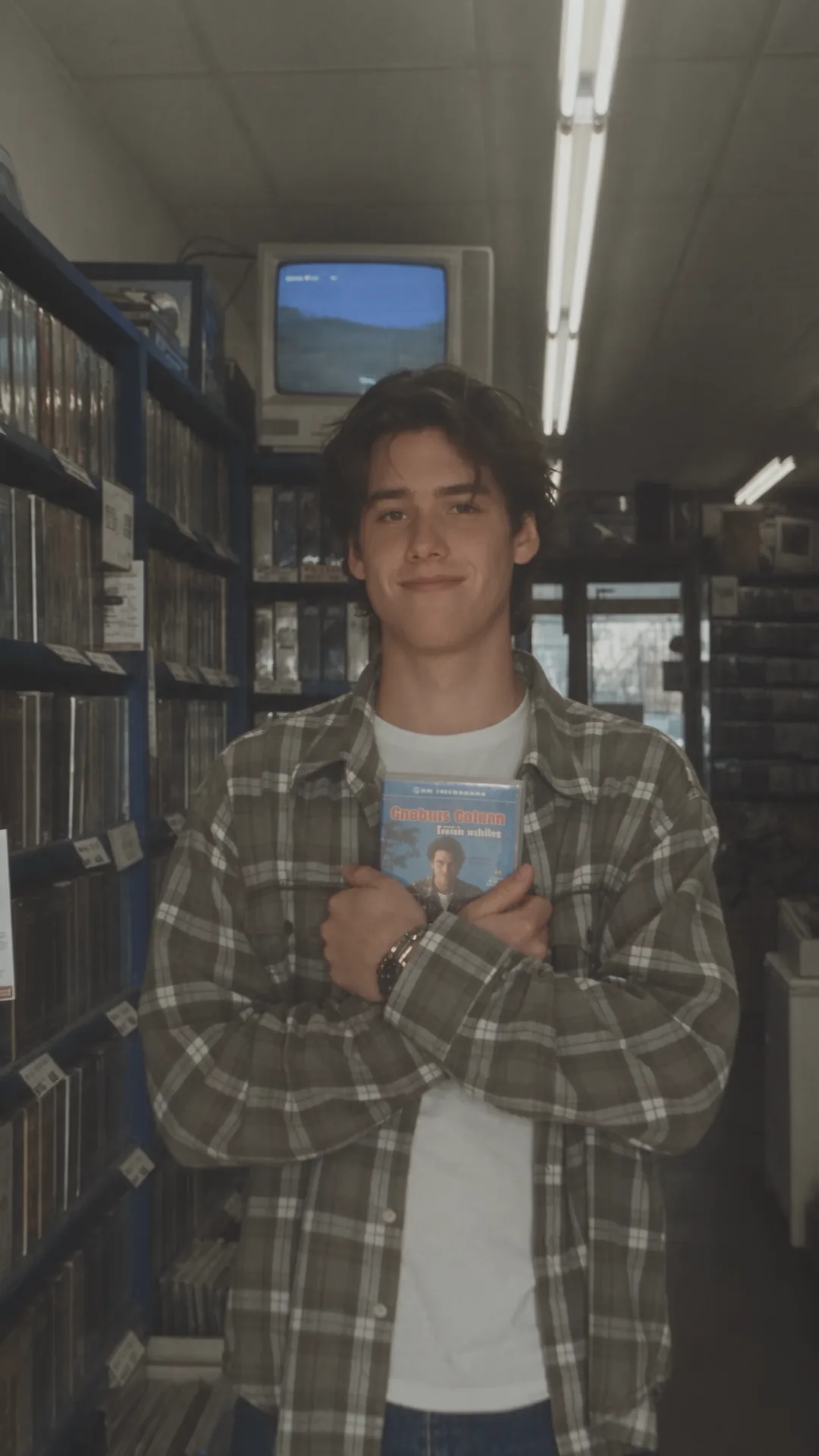
A man in a plaid flannel shirt sings in the aisle of an old video rental store.

A man in a lavender linen shirt sings on a golden-hour rooftop, laundry drying on the line.