MA
Marguerite Ashby
Design leadI ran our whole engineering team through the pencil look for the about page.
First set of portraits that has ever looked like one thing.
A caricature only works when the exaggeration aims at what already makes a face distinctive. Upload one portrait, pick a drawing look, and get a version that is pushed hard and still unmistakably them.
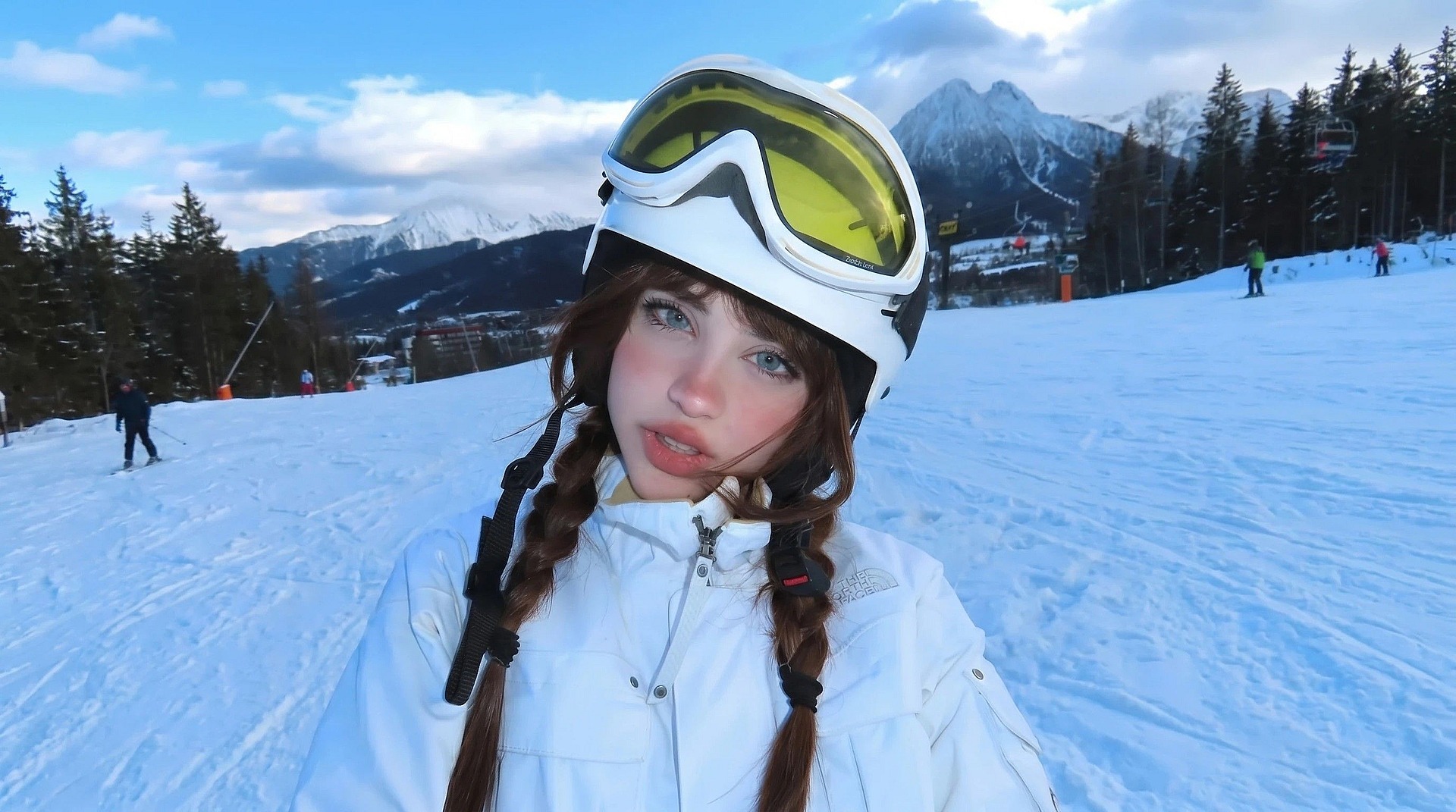
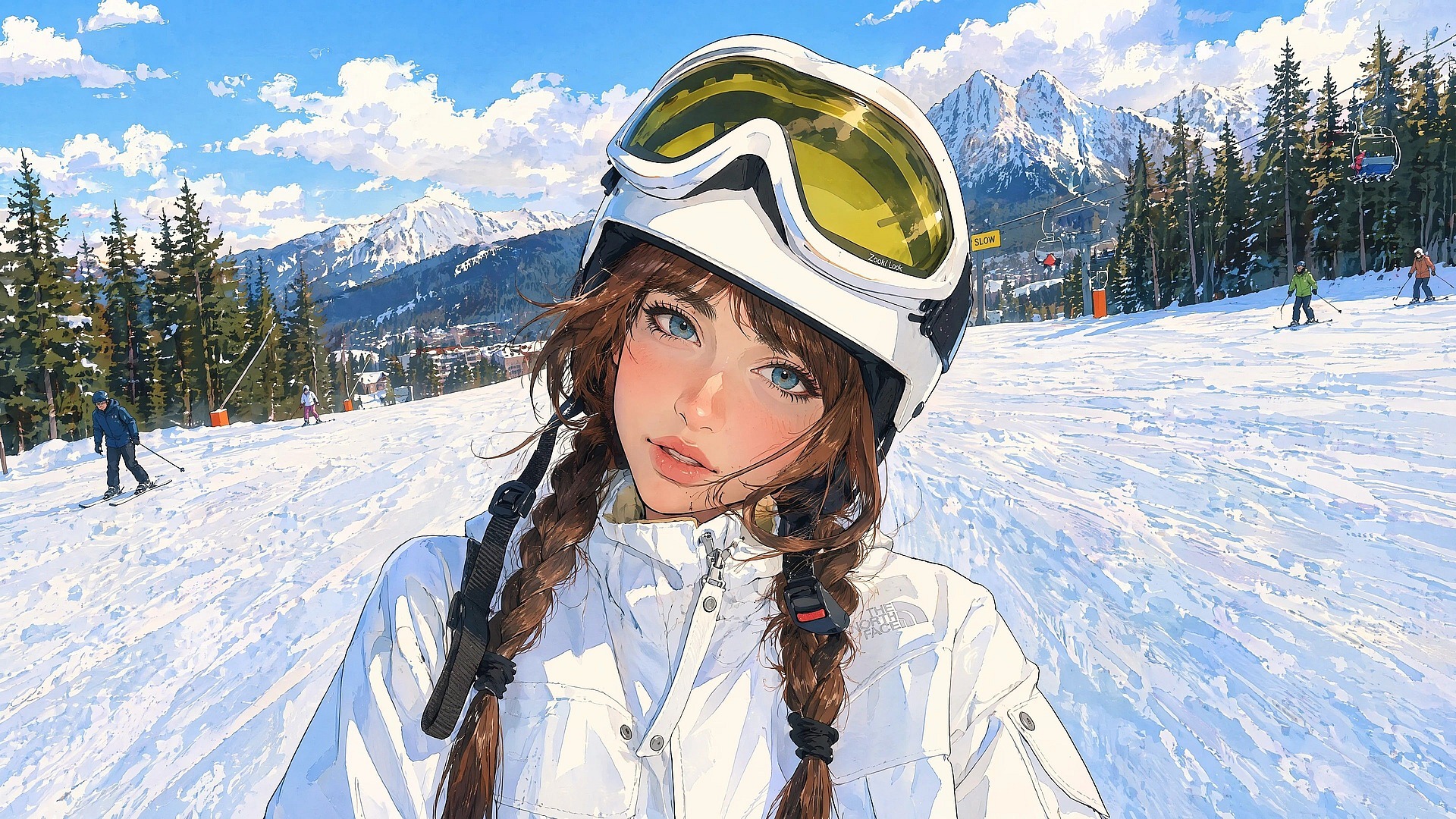
Caricature Generator
Caricature Generator
A caricature only works when the exaggeration aims at what already makes a face distinctive. Upload one portrait, pick a drawing look, and get a version that is pushed hard and still unmistakably them.
Most cartoon filters stamp the same big eyes on every face, so a group comes out looking related. A caricature maker — the photo to caricature path — does the opposite: it finds what is already unusual about this face and pushes that further, which is why a good drawing is still recognizable from across a room.
The edit reads the face first and then decides where to push. A strong jaw gets stronger, a small chin gets smaller, a high forehead gets higher. That selective push is the whole difference between a caricature and a filter: a filter applies the same transformation to everyone, so ten friends come out looking like siblings, while a caricature leans into the one or two features people already tease you about. Identity survives the exaggeration because the exaggeration is built from it.
Try it now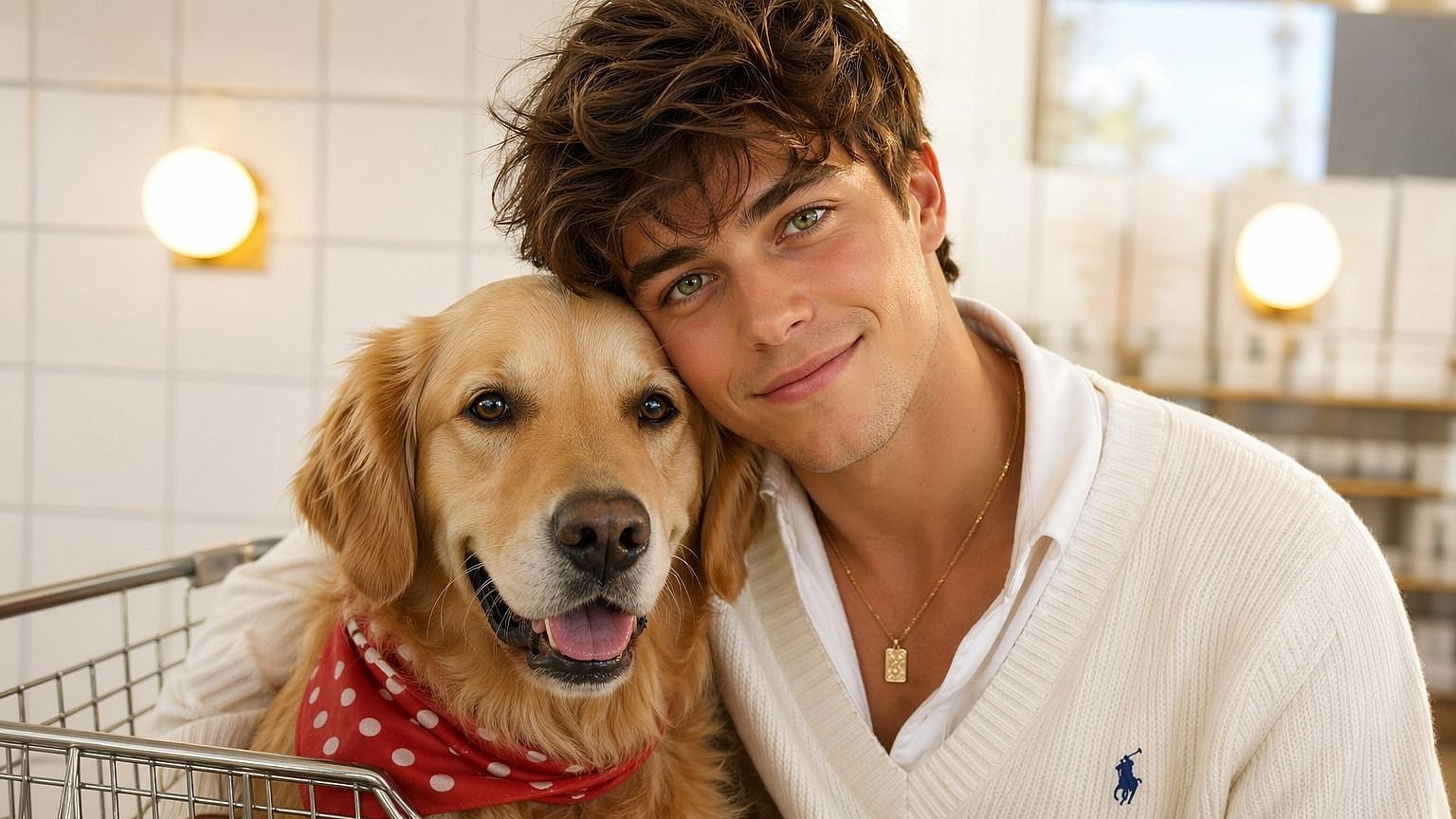
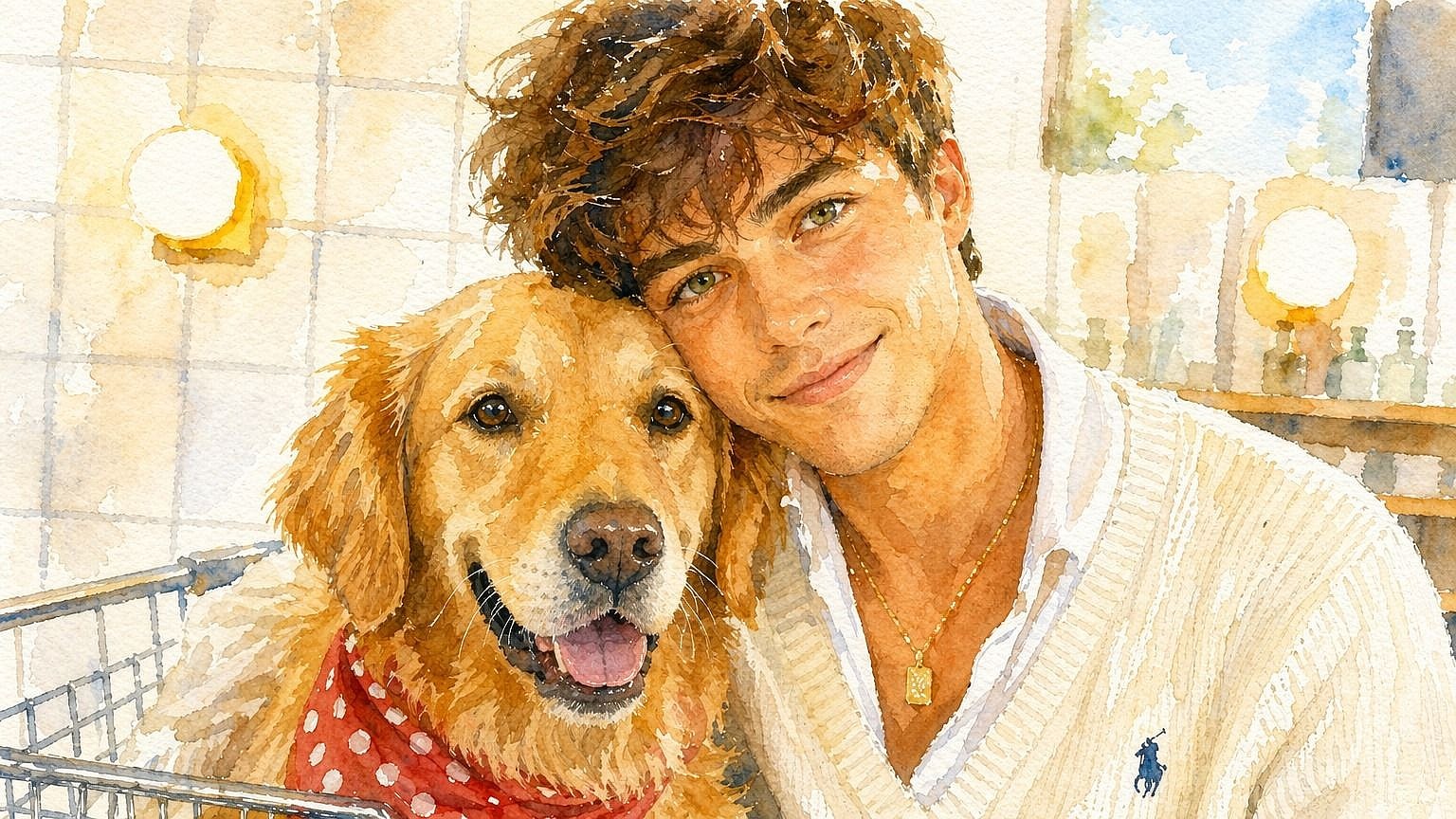
A face rendered in ink on top of an untouched photograph looks like a mistake rather than an illustration. The background, clothing and lighting are all restyled into the same drawing language, so the finished piece reads as one picture. Your pose, your hands and the scene content stay where they were, which keeps the result anchored to the photo you actually took instead of drifting into a generic studio backdrop with a stranger in it.
Try it now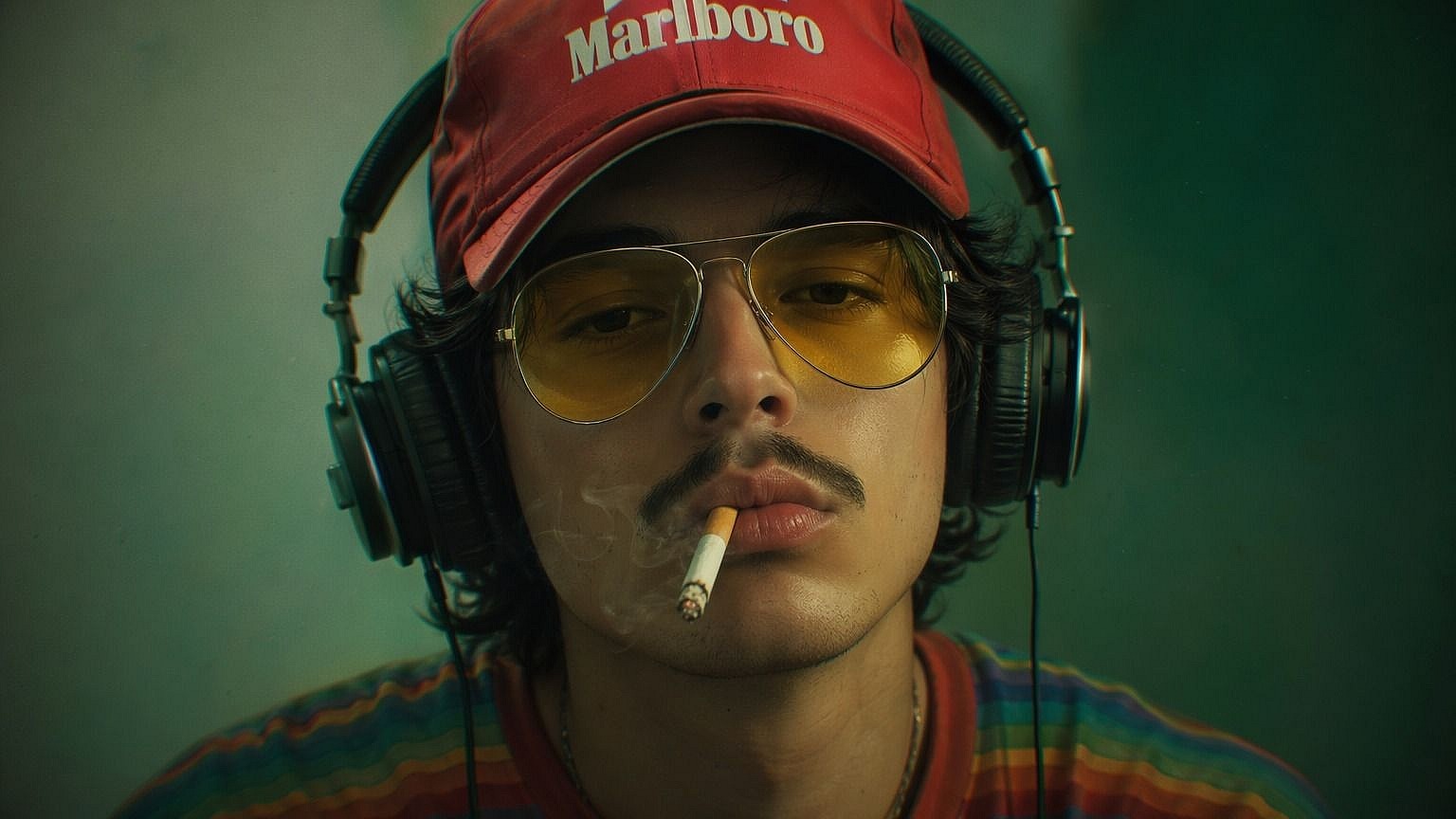
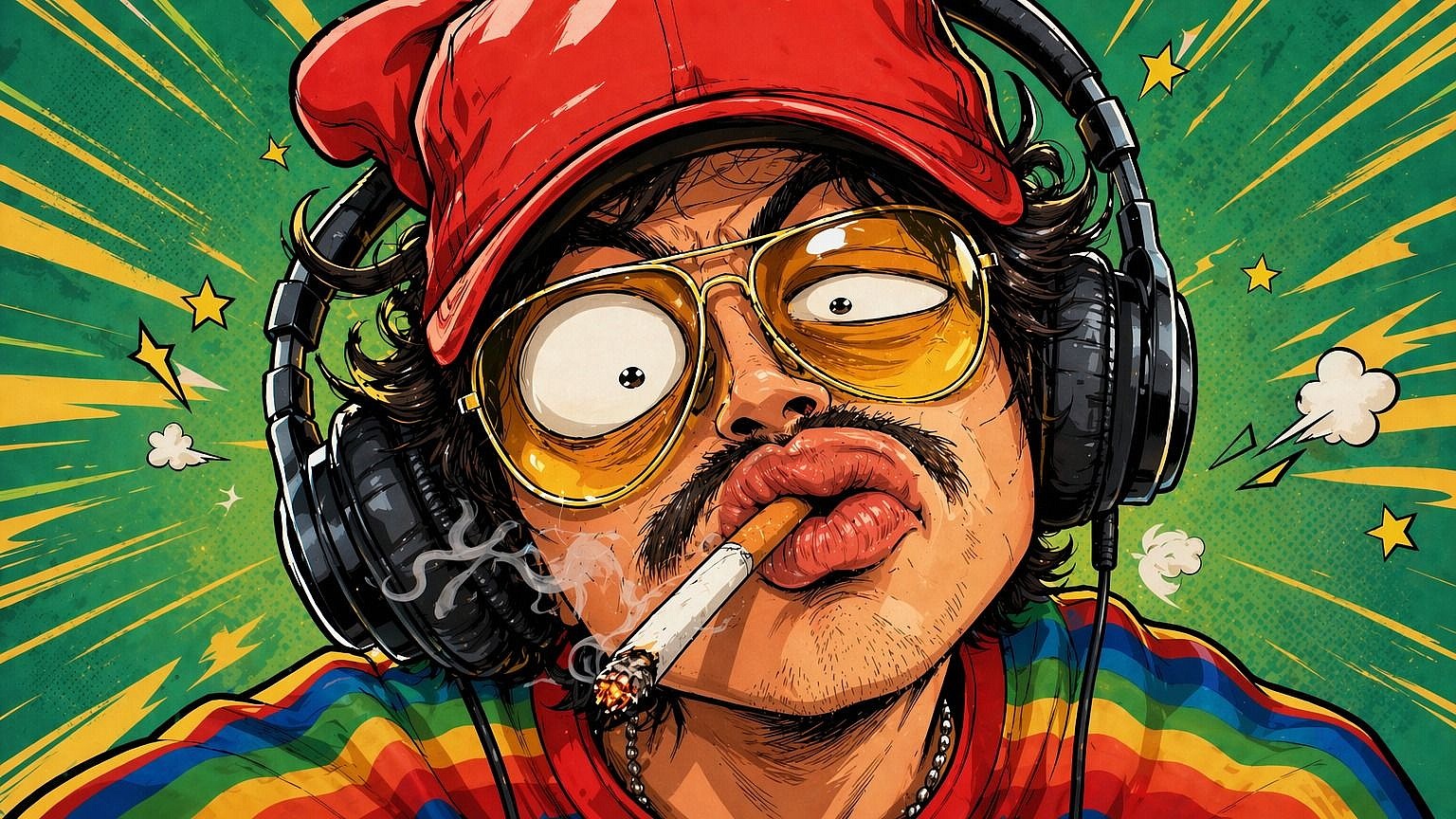
Start with Pop-art comic when you want the loudest thumbnail, Watercolor when the gift has to stay kind, or Editorial ink when the piece should feel pointed. Each look carries its own amount of exaggeration rather than sharing one drawing with a color overlay. Choosing a look is choosing how far the joke goes, not just how the page is tinted.
Try it nowThis caricature generator has one job: take a portrait you already have and return an exaggerated drawing of the same person. Everything below describes how that job is constrained, because the failure modes of caricature are specific and worth naming up front.
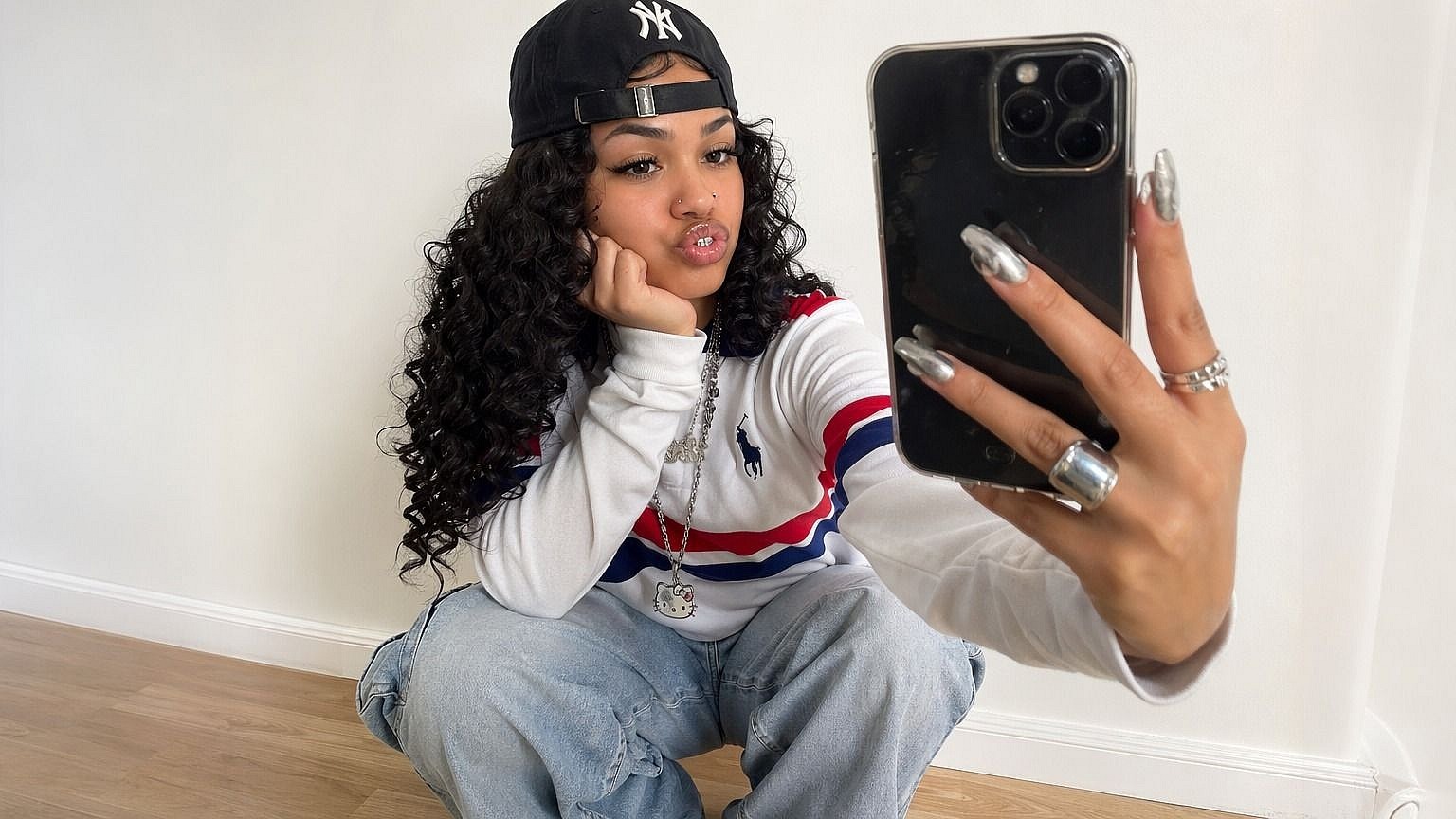
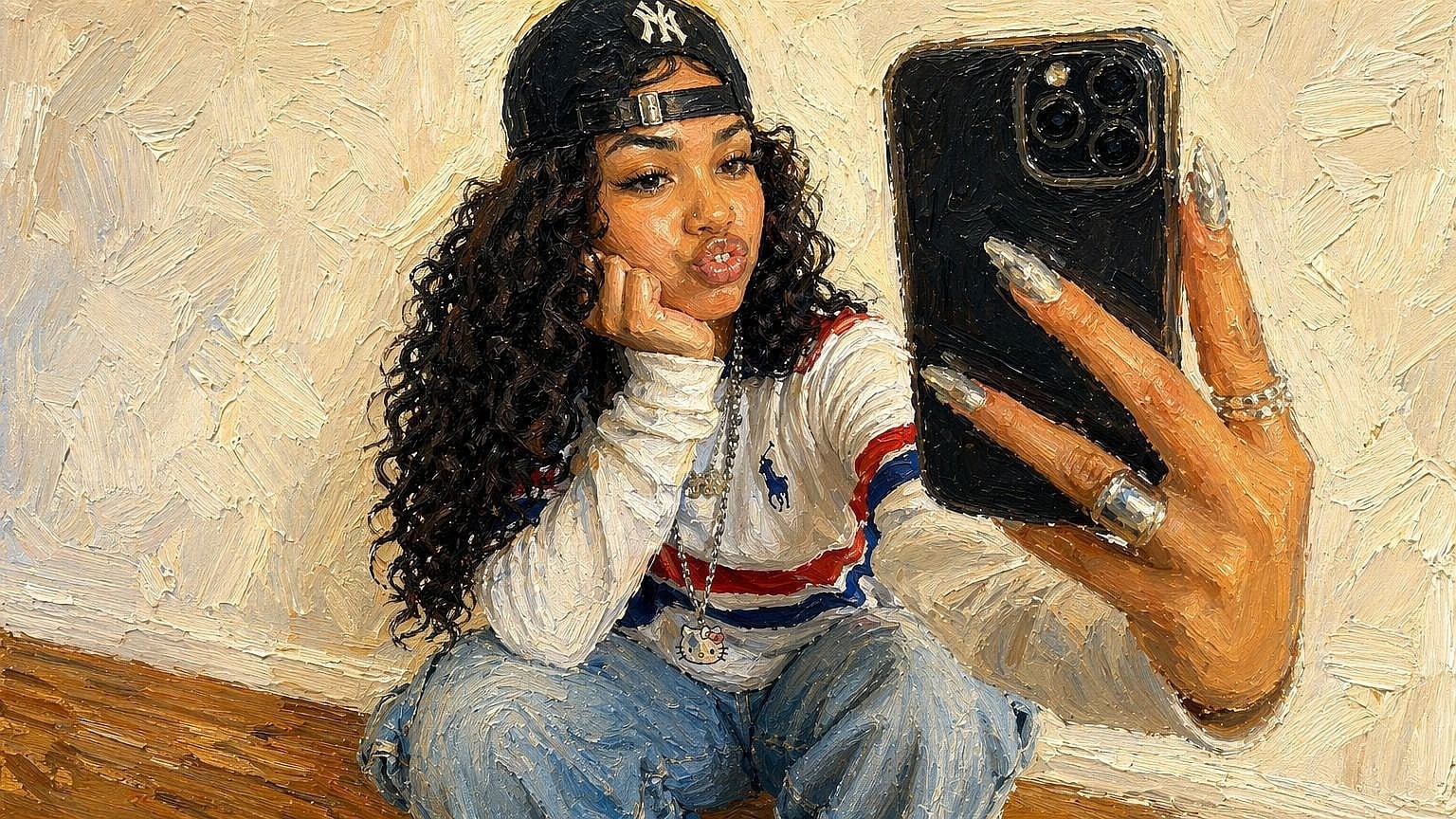
The test any caricature has to pass is whether someone who knows the subject names them without being told. Exaggeration runs on the proportions between features, not on swapping the features themselves, so eye shape, hairline, facial hair, glasses and the marks that make a face specific all survive into the drawing. When the likeness and the exaggeration fight each other, the likeness wins, because a caricature nobody recognizes is just a cartoon of a stranger.
Try it now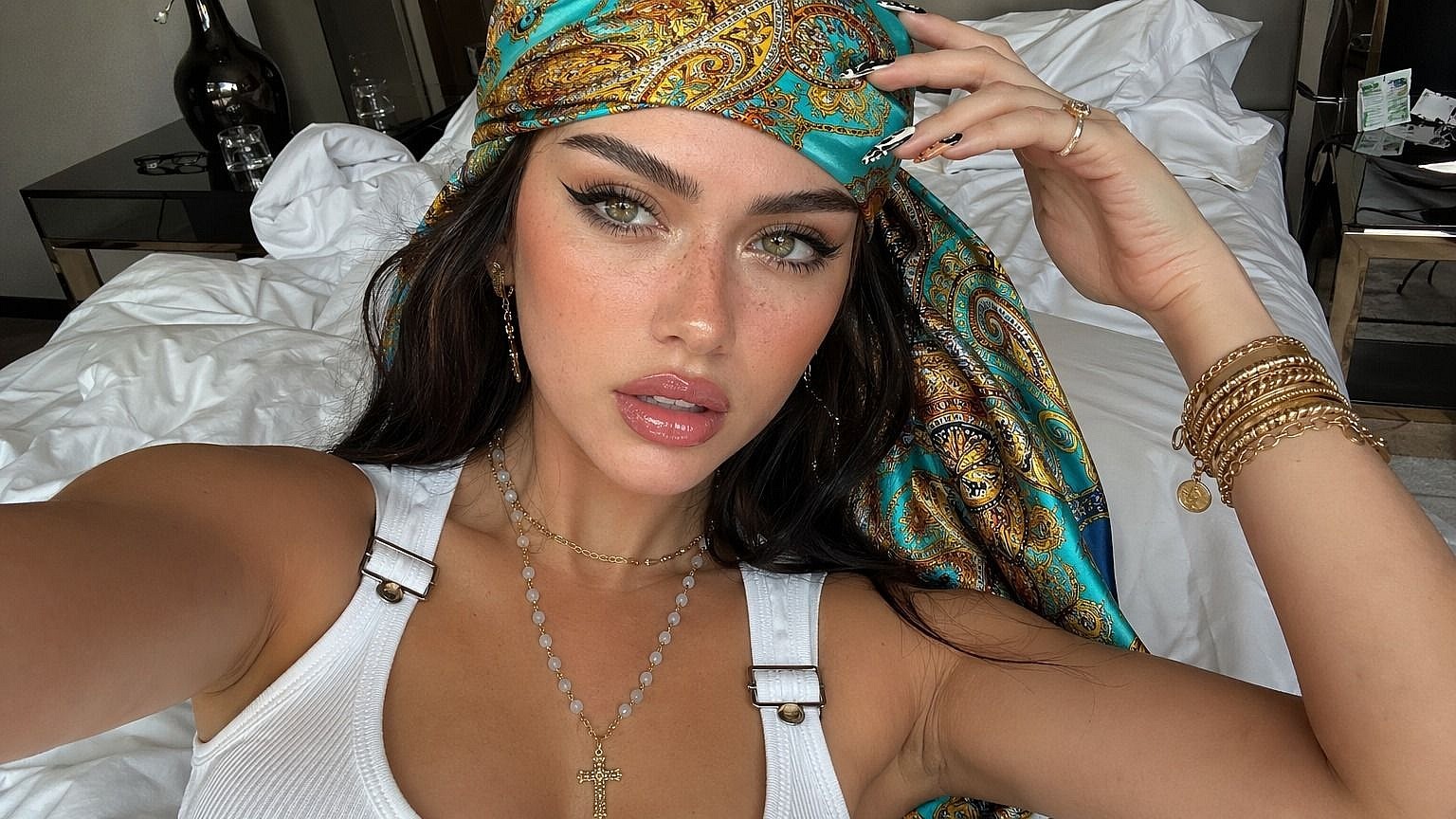
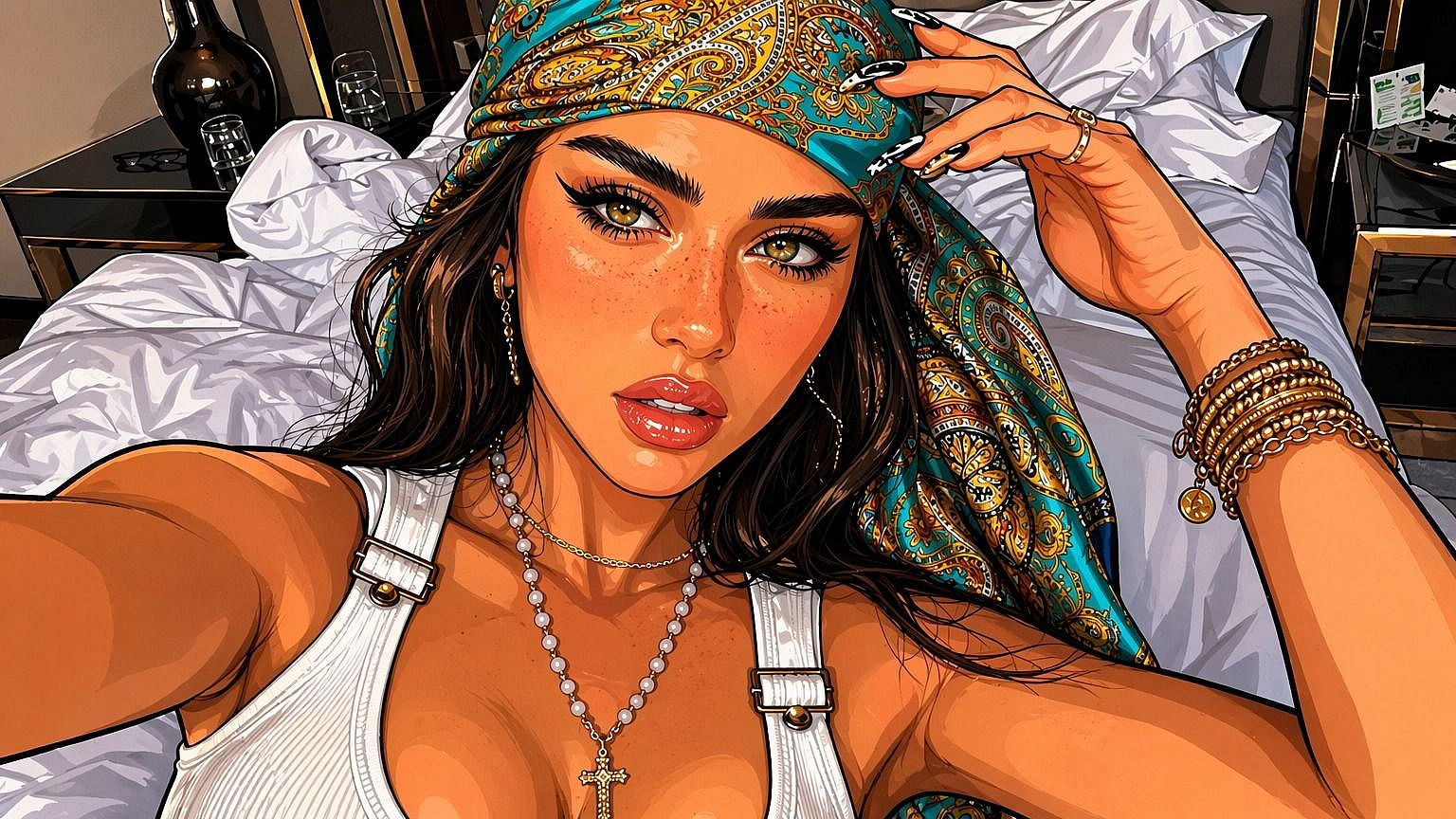
Rather than a separate intensity slider fighting the look you chose, each drawing language carries its own level built in. Two knobs pointed at the same thing produce contradictory instructions and one of them silently loses, which is the usual reason a control appears to do nothing. Pick Watercolor when you want the result to stay kind, Editorial ink when you want it pointed, and Pop-art comic when you want it seen from the other side of a room.
Try it now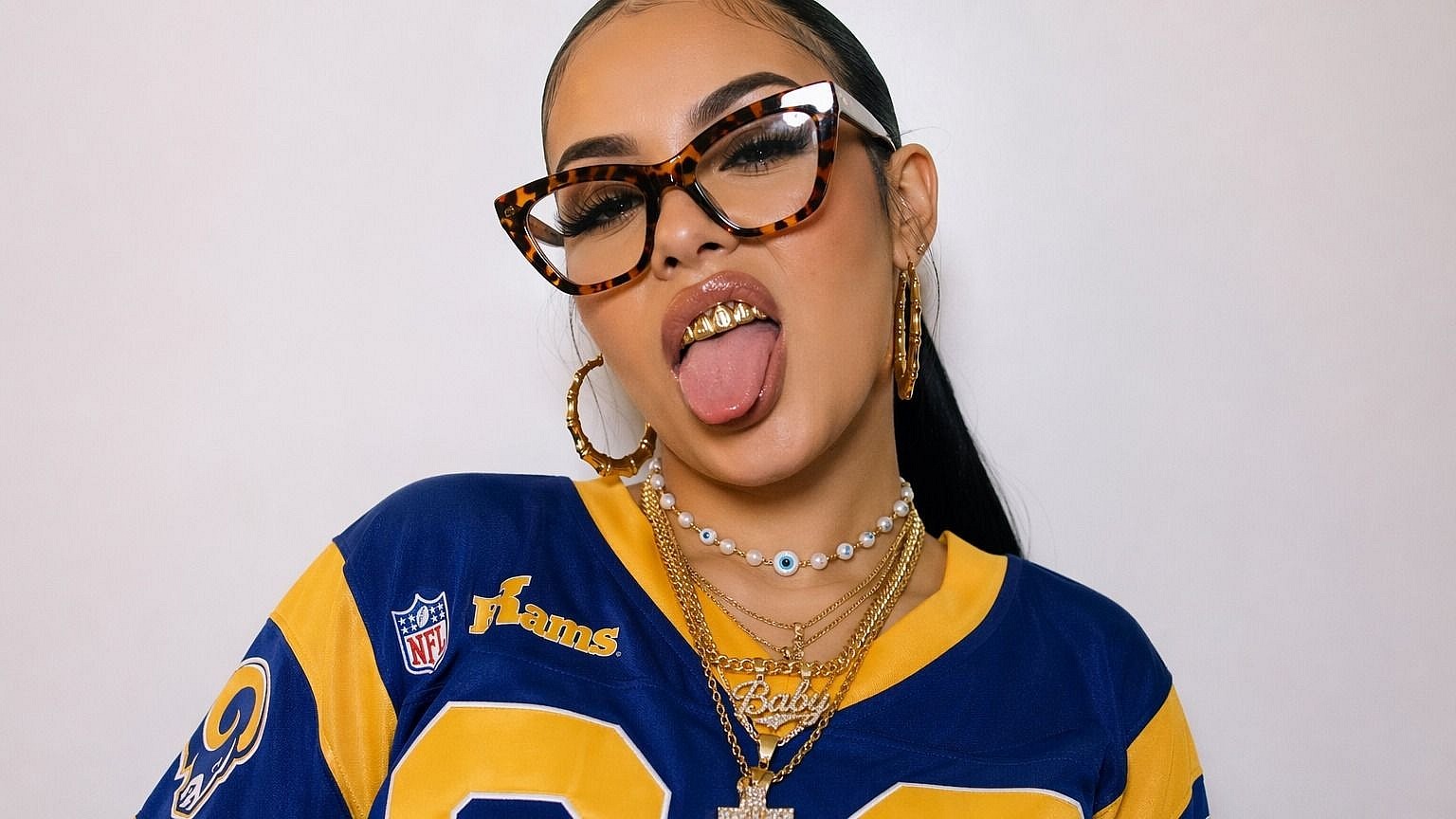
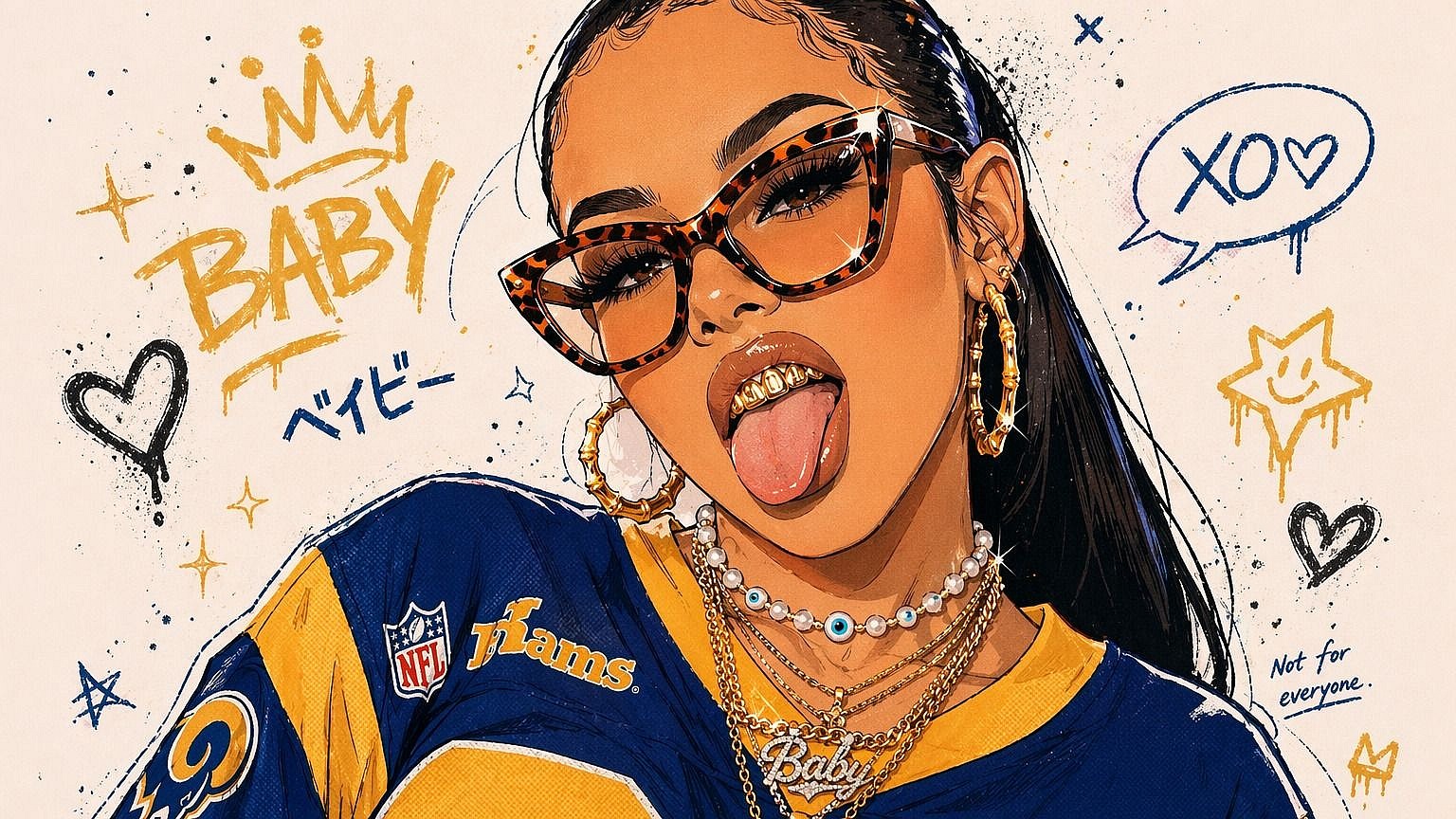
The photo to caricature path starts from your frame and stays there. Composition, camera angle, pose and the objects around you are carried across and drawn in the chosen look rather than regenerated. That matters because the surroundings usually carry as much of the story as the face does: the mug on the desk, the stage lights, the jersey. Losing them turns a personal caricature into stock art that happens to resemble you.
Try it now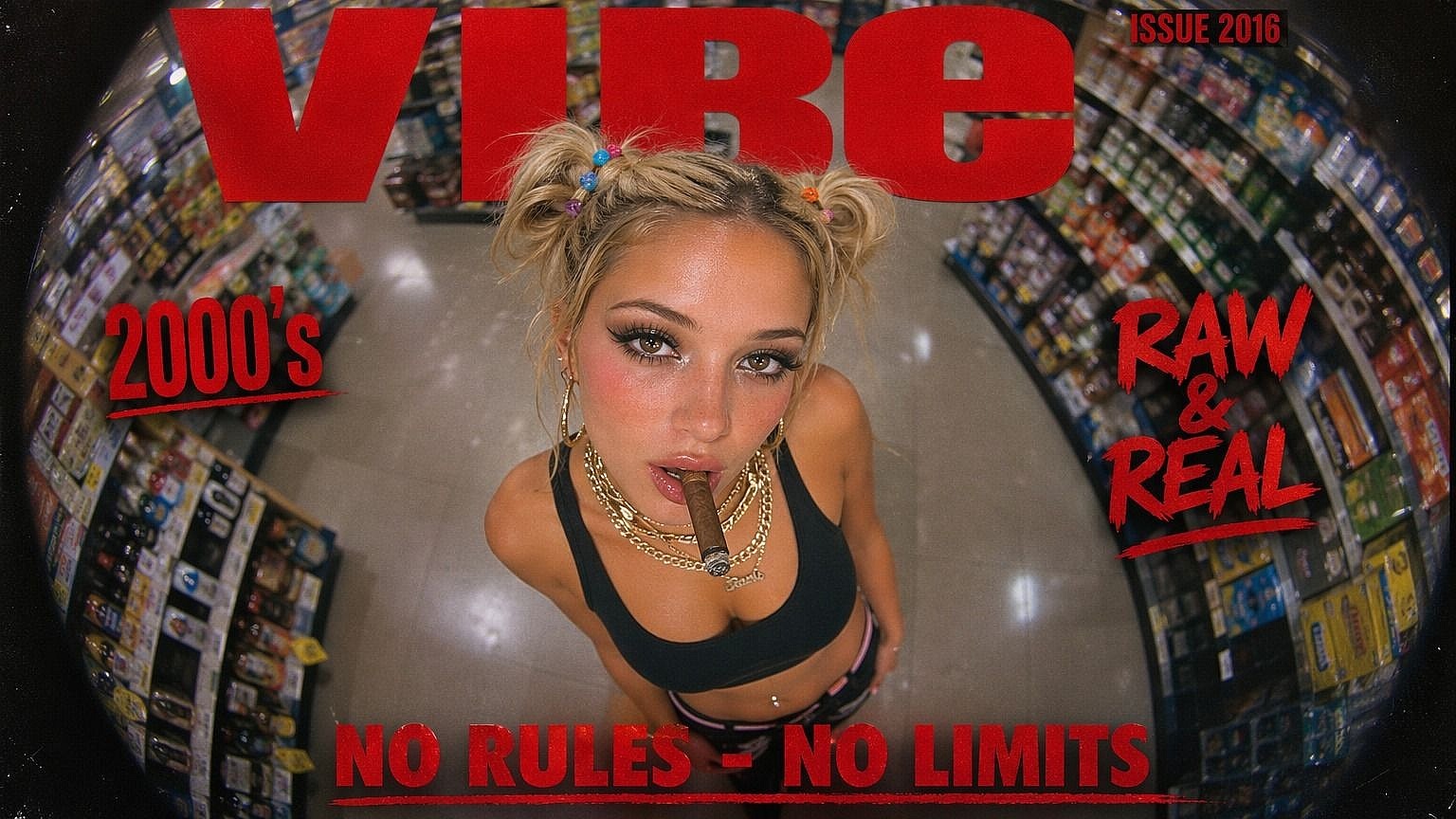
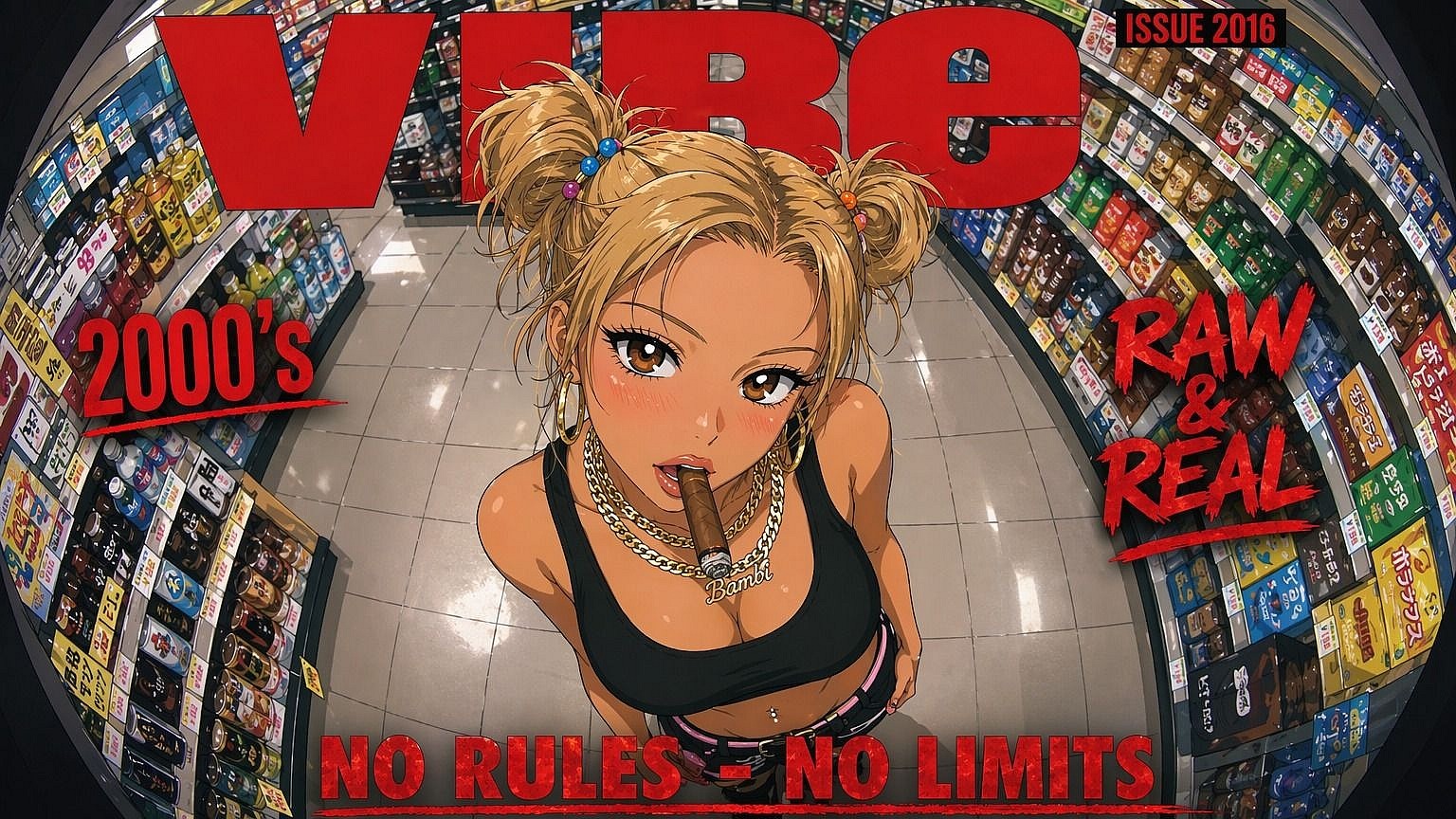
Caricatures spend most of their life shrunk down: a profile mark, a sticker, a slide in a deck. Heavy outlines, clear silhouettes and strong tonal separation are part of every look here for that reason. A drawing that only works at full resolution is a drawing that fails everywhere it actually gets used, so contrast and readability are treated as requirements rather than as stylistic preferences.
Try it nowA caricature is one way to restyle a portrait. Stay in Viralkey Studio to try another drawing direction, a new cut, or a small color change from the same upload.
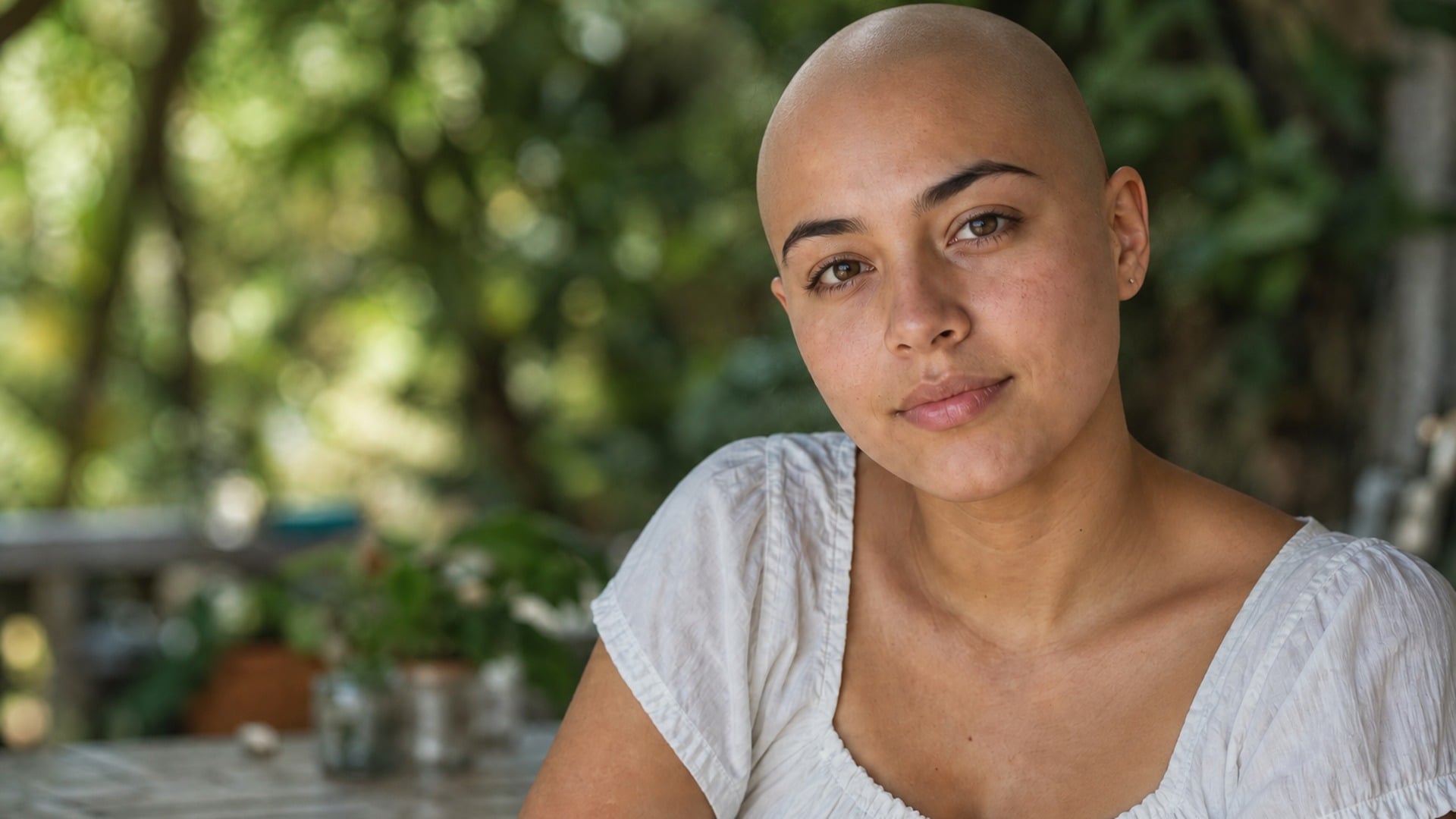
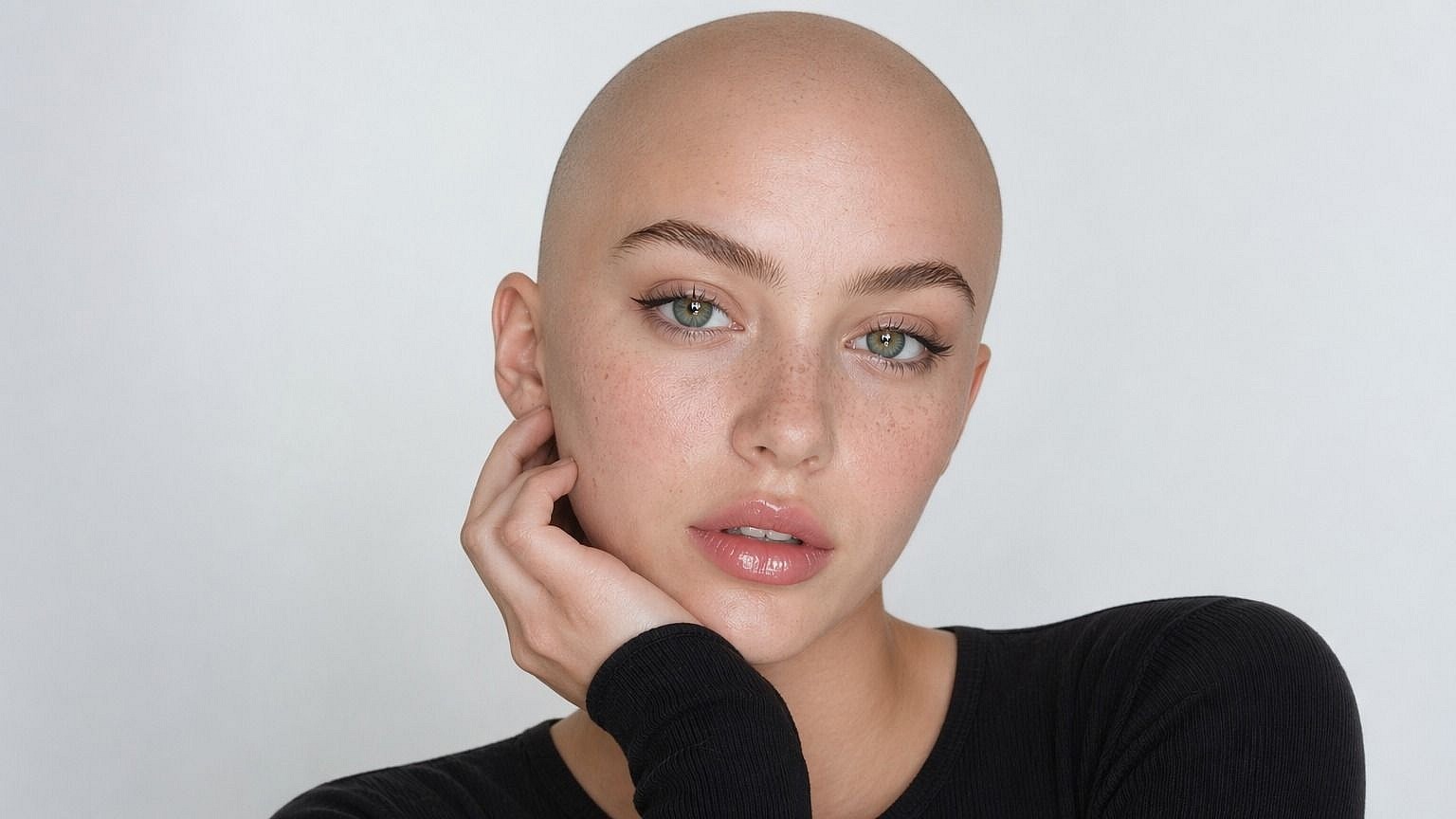
See yourself with a shaved head — face, pose and light stay put.
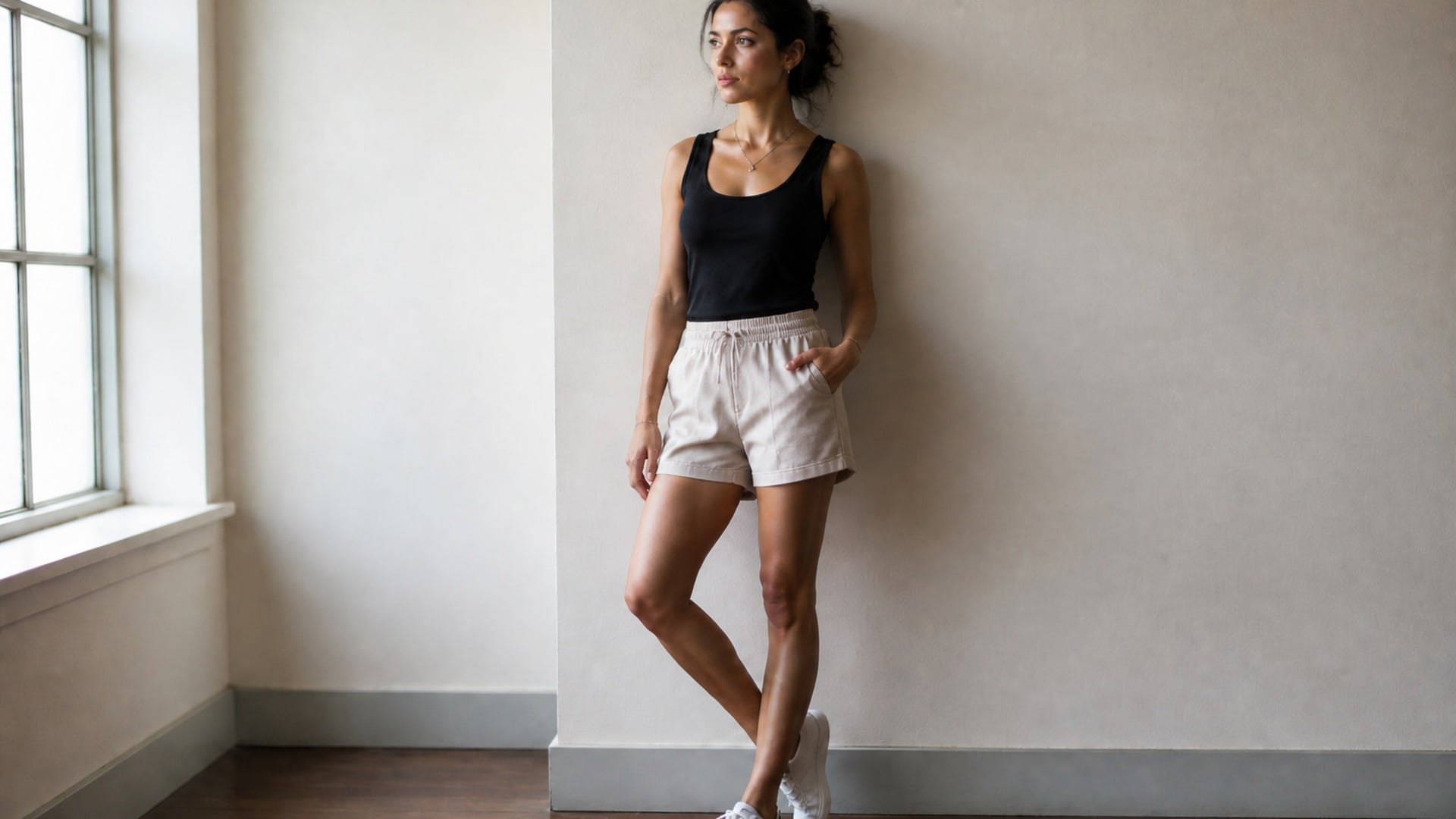
Slim the full body or just the face, with the background left straight.
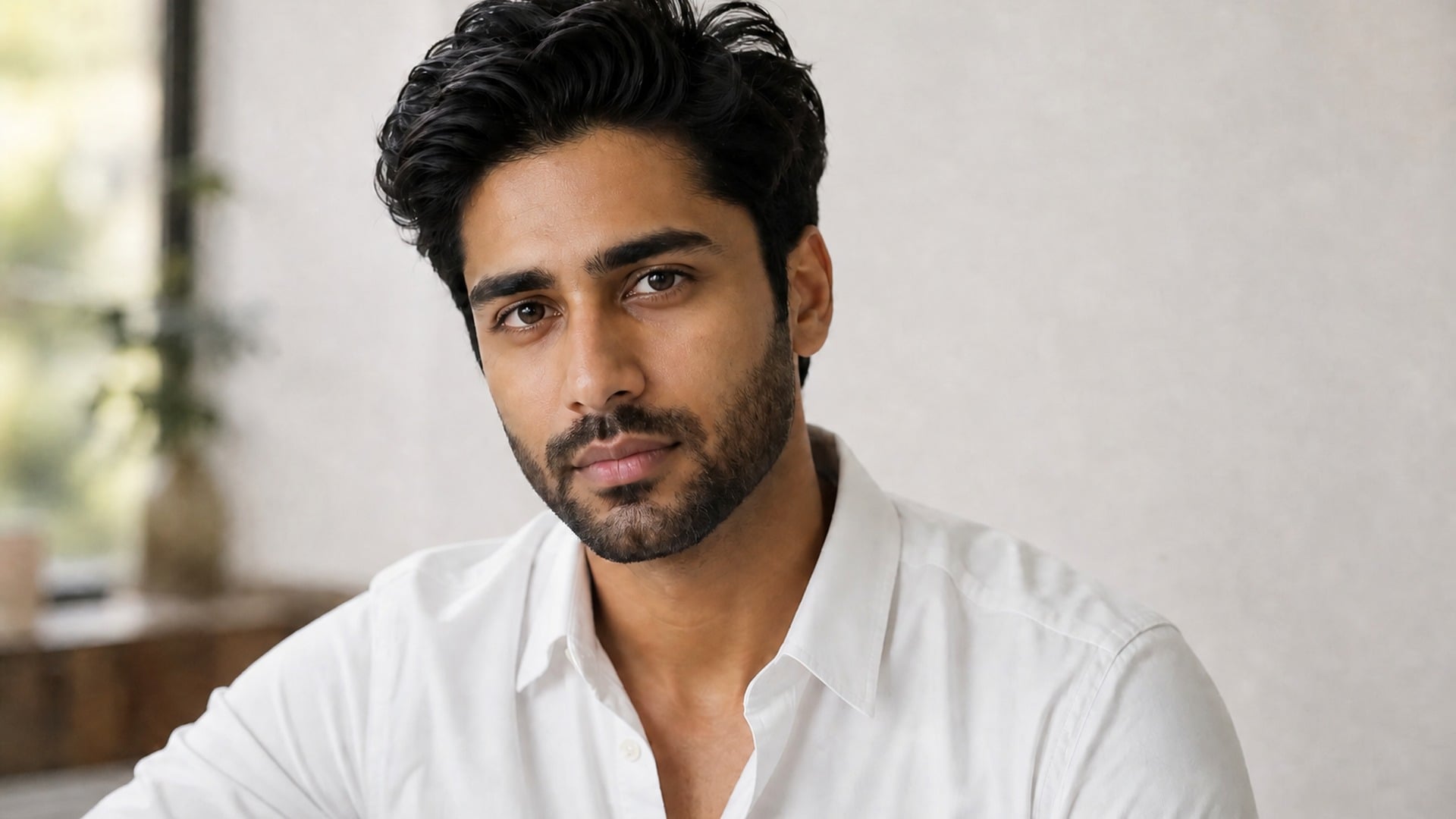
Try a full beard, stubble or goatee on your own jawline.
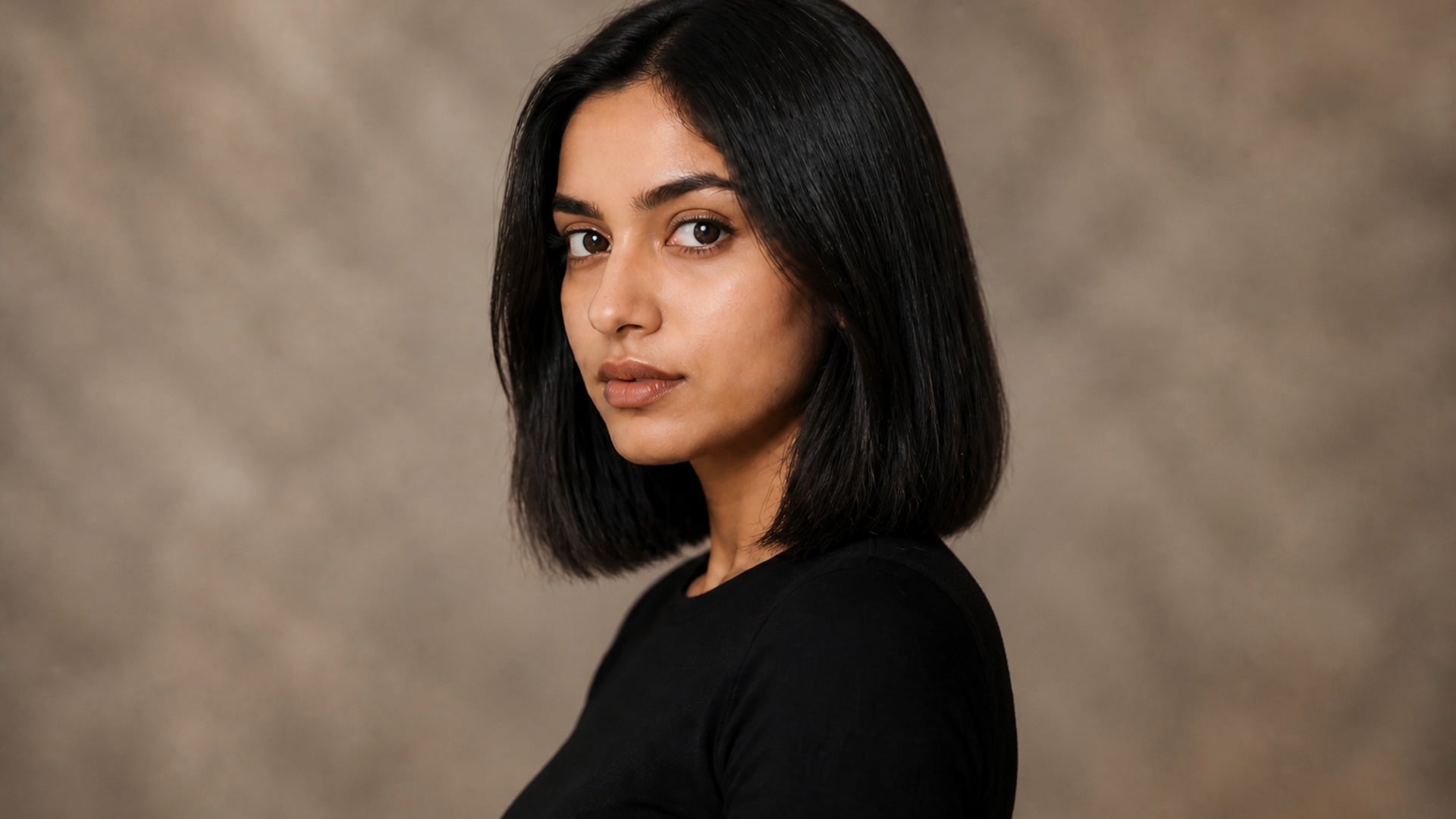
Preview a pixie, bob or crop before the scissors — your color, your texture.
Explore leading models for AI video, image generation, editing, and cinematic storytelling.
Create Wan 3.0 clips on Viralkey: native 1080p, 2–30 seconds, start/end frames, up to 20 mixed references, and audio generated with the picture.
Create cinematic MiniMax H3 clips on Viralkey: native 2K, up to 15 seconds, text-to-video, start/end frames, and up to nine reference images.
Generate short HD clips on Viralkey with start/end frame direction and up to 50 reference images. Built for music video scenes and performer shots.
Create cinematic Seedance 2.0 clips on Viralkey: native 4K, start/end frames, up to nine reference images, and built-in audio with lip-sync.
Caricature is one of the oldest portrait forms because it does something a photograph cannot: it tells you what got noticed. That makes a caricature generator useful anywhere a picture needs personality rather than accuracy, from a gift to a speaker card.
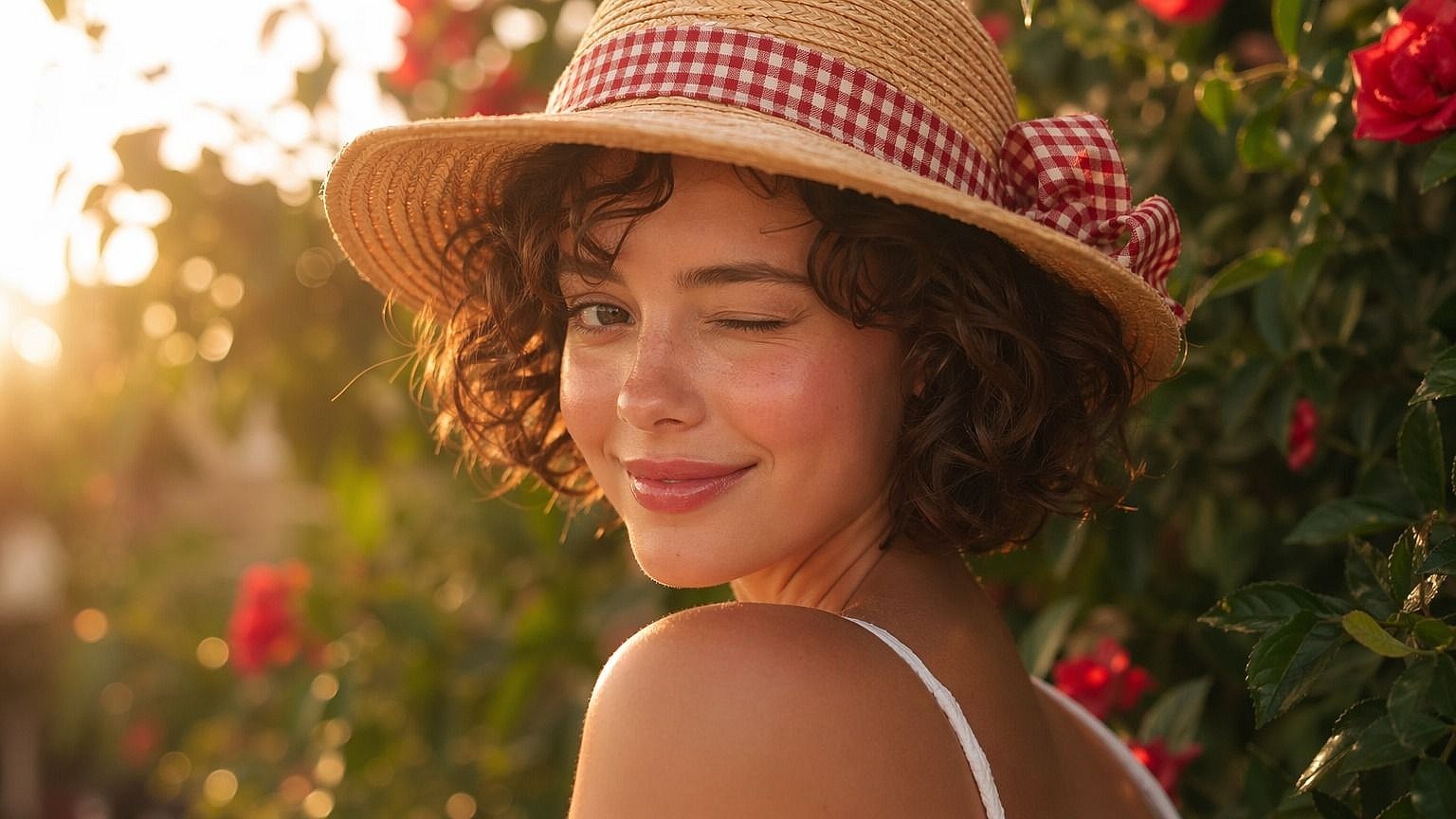
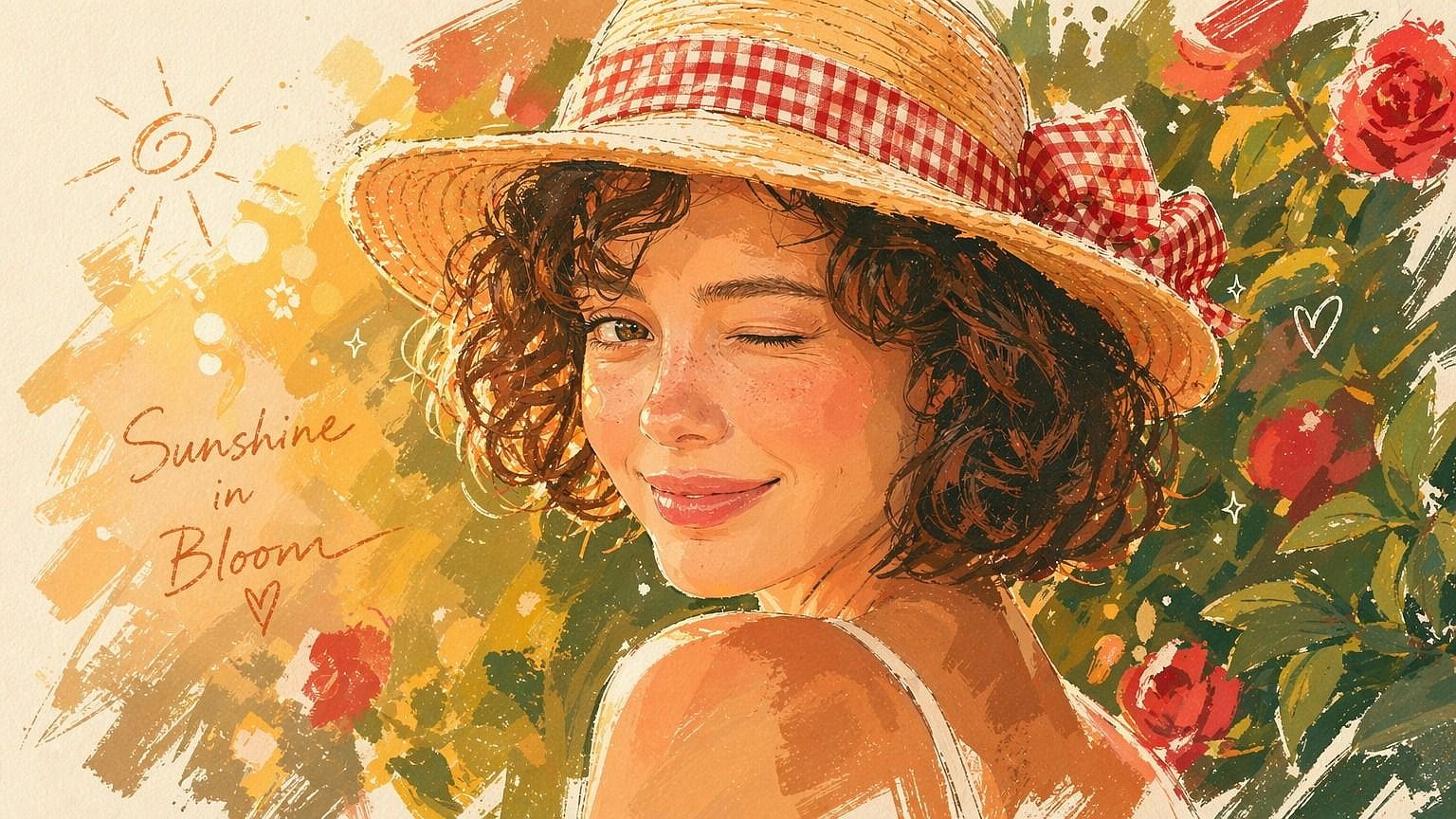
A framed caricature is a better birthday or leaving present than a printed photo because it is obviously about that person specifically. The exaggerated features are the joke, and the joke is affectionate, which is why the format has survived on seaside piers for a century. Starting from a photo the recipient already likes keeps the result flattering rather than cruel, and picking Watercolor over Editorial ink shifts the tone further in that direction.
Try it now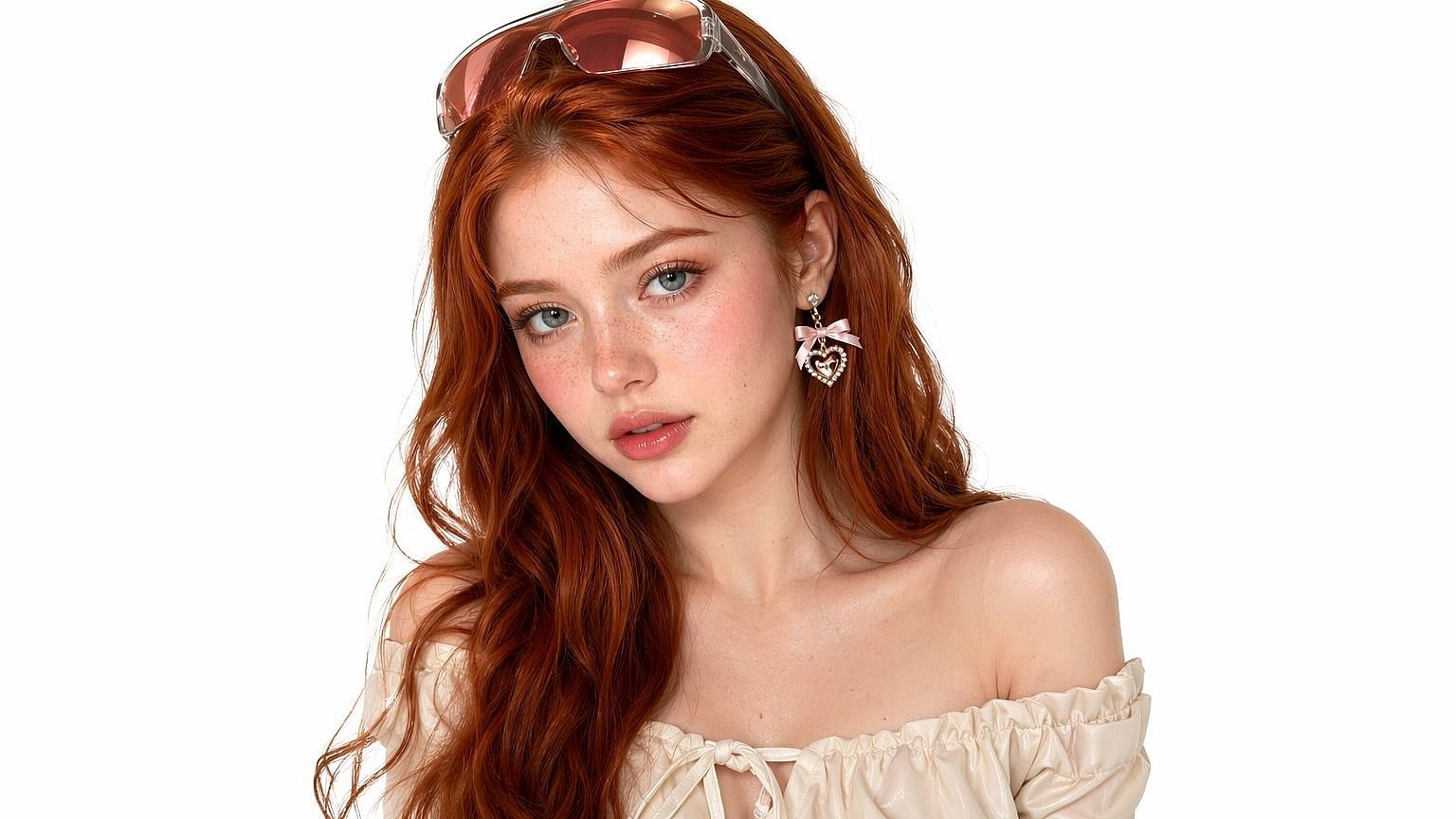
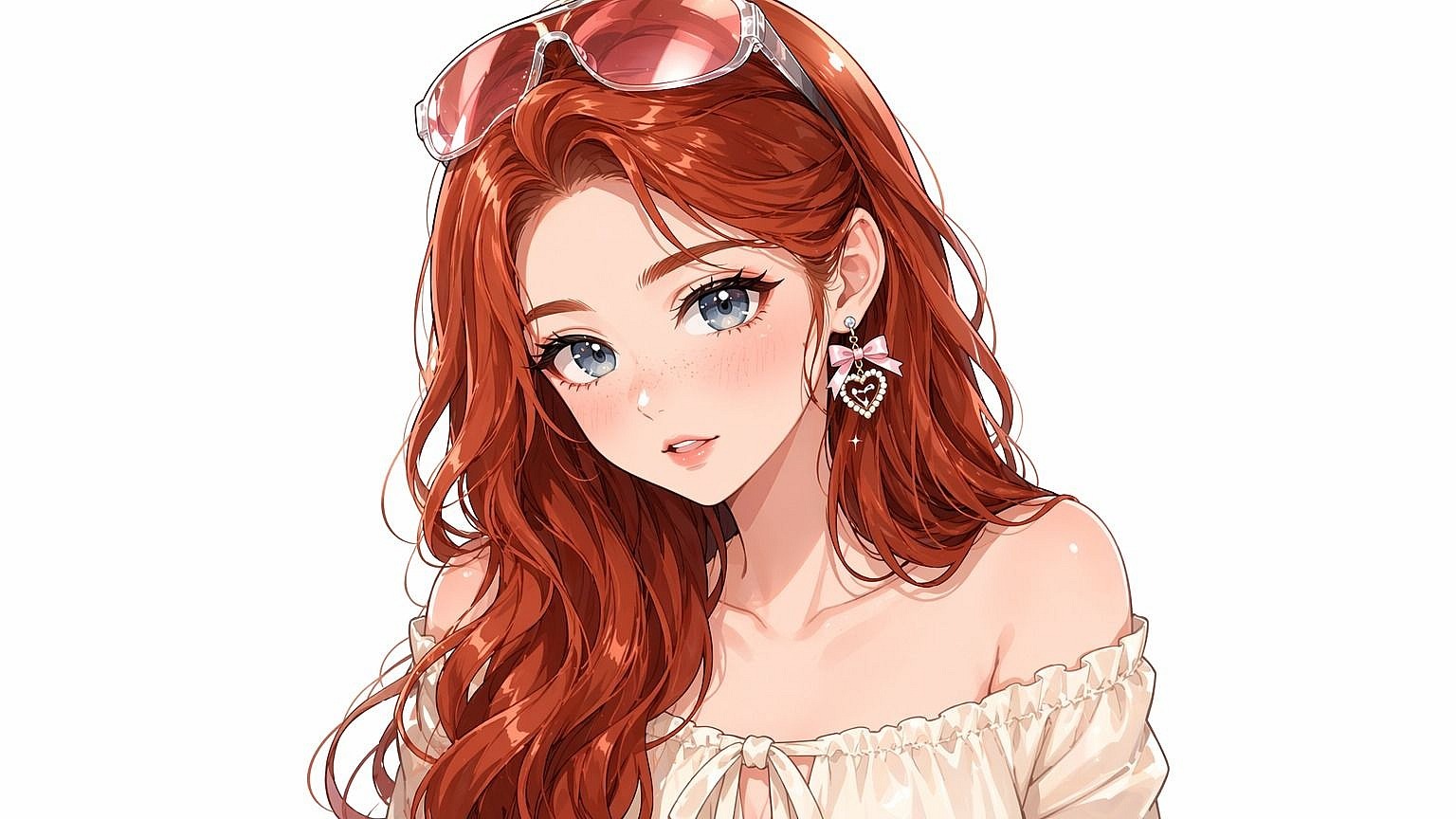
A caricature reads better than a photo at avatar size because it is built from strong shapes rather than fine detail. Heavy outlines and flat color survive the shrink where a photograph turns into mush. It also solves a real problem for people who want a personal profile picture without putting an actual photograph of themselves on a public platform, since the likeness is present but stylized.
Try it now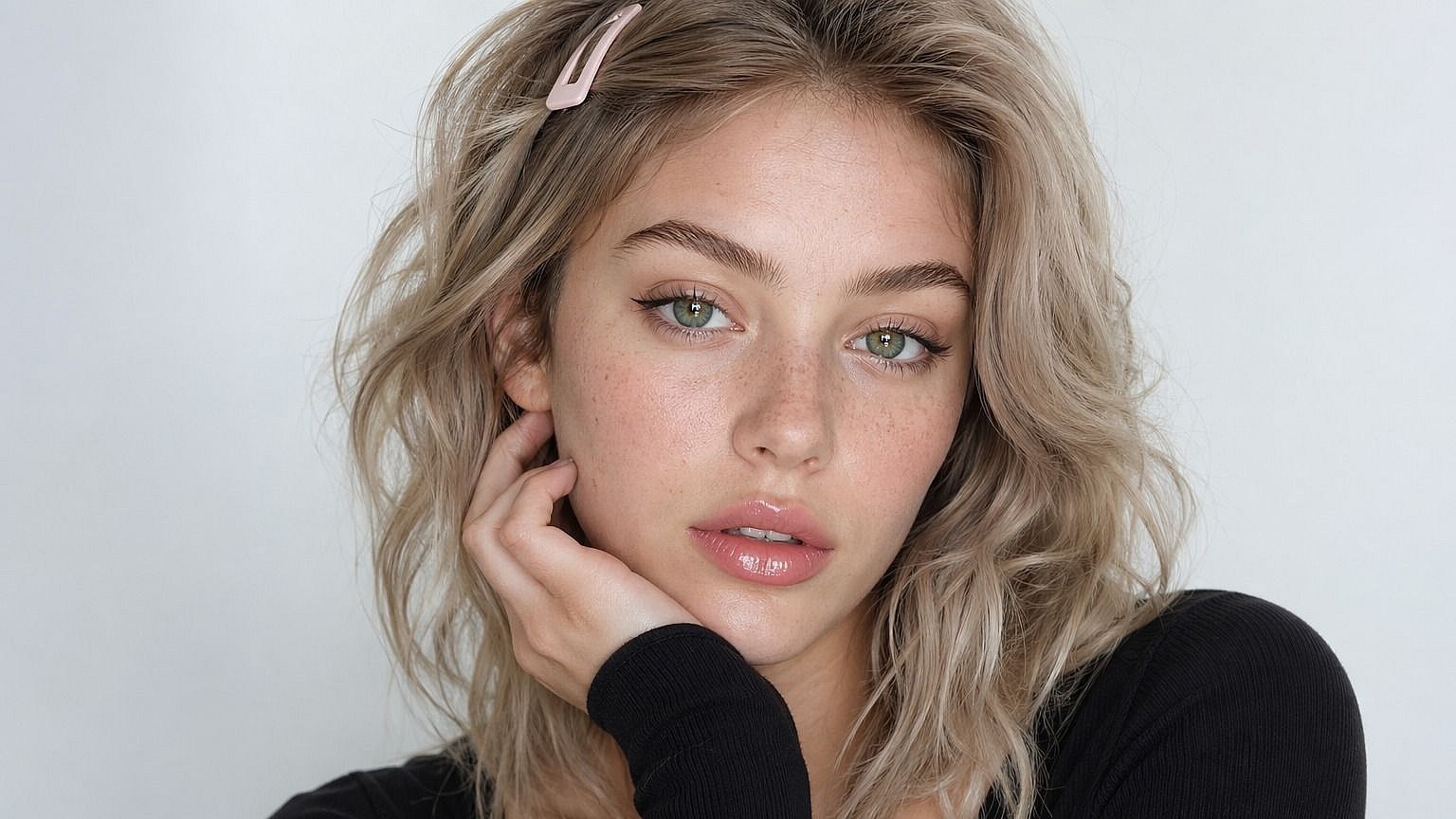
Conference speaker cards, team pages and internal slides all need portraits that look like they belong together. Running everyone through the same drawing look produces a set with one visual language, which no collection of individually shot headshots ever achieves. It also flattens the gap between the person with a professional headshot and the person who sent in a phone selfie from a car park.
Try it now
Editorial ink is built for commentary: features sharpen to the point of a caption, while the newsroom, the stage or the desk behind the subject stays in the picture. That is the difference between a joke about a person and a joke that could be anyone. Keep the source you have the right to edit, and treat public figures with the same caution you would bring to any published likeness.
Try it nowNotes from creators who used this tool on real work.
Marguerite Ashby
Design leadI ran our whole engineering team through the pencil look for the about page.
First set of portraits that has ever looked like one thing.
Desmond Okafor
Backend engineerThe comic look survives being shrunk to a Slack avatar, which is more than I can say for the headshot I was using before.
Kavya Venkataraman
Product managerPrinted my dad as a caricature on a card for his sixtieth.
He worked out which of his eyebrows I had picked on immediately.
Emil Lindqvist
IllustratorWatercolor was the right call for a wedding gift.
Exaggerated enough to be funny, soft enough that nobody took offence.
Halima Boateng
Community managerI wanted a profile picture that looked like me without being a photo of me.
This is exactly the middle ground I was after.
Ruggero Bellini
EditorEditorial ink for a satire piece.
It sharpened the features the way a staff cartoonist would, and it kept the newsroom background.
Sunhee Baek
Events producerSpeaker cards for a large conference in an afternoon.
Same look across every portrait, no chasing people for studio photos.
Lorcan Fitzgerald
FounderThe 3D toon version became our mascot.
It started as a joke about my haircut and it is now on the stickers.
Beatriz Carvalho
CeramicistWhat sold me is that it kept my studio in the background instead of dropping me onto some generic gradient.
The caricature generator on Viralkey is a studio edit that takes one portrait you upload and returns an exaggerated drawing of the same person. You choose a drawing look such as Pop-art comic or Watercolor, optionally add a note about what to emphasize, and generate. The result keeps your pose, clothing and surroundings, restyled into the same drawing language rather than replaced with a new scene. It is a caricature of your photo, not a fresh illustration that happens to look similar.
Turn your ideas into reality with AI. Generate, refine, and innovate — creation starts here.